
Chronic Kidney Disease Treatment
Chronic Kidney Disease Treatment Virtually with MindShape Clinic
Protect your kidneys before problems progress. MindShape’s online physicians help you understand your labs, create a personalized care plan, and manage your kidney health—all from home.
Written by:

Medically Reviewed by:


What Is Chronic Kidney Disease?
Chronic kidney disease (CKD) means your kidneys have been damaged and are gradually losing their ability to filter waste and extra fluid from your blood — for at least three months. As filtering ability declines, waste products that are normally removed in urine begin to build up in the body.
CKD affects more than 1 in 7 U.S. adults— an estimated 35.5 million people— and roughly 9 in 10 don’t know they have it because early-stage CKD usually causes no noticeable symptoms. That’s exactly why lab-based monitoring matters more than waiting to “feel” something wrong, particularly if you have diabetes, high blood pressure, or a family history of kidney disease.
CKD is different from acute kidney injury, which comes on suddenly (often from illness, dehydration, or a medication reaction) and can sometimes fully resolve. CKD, by definition, is a longer-term condition — but for many people, especially in the earlier stages, its progression can often be slowed significantly with the right care.
Who Should Consider Virtual CKD Care?
Virtual care is a strong fit if you:
- Have been told you have a reduced eGFR, elevated creatinine, or protein in your urine (albuminuria)
- Diabetes, high blood pressure, or a family history of kidney disease and want proactive monitoring
- Have early-to-moderate CKD (roughly stages 1–3) and want an accessible way to manage it
- Want a clear, plain-language explanation of confusing lab results or a second opinion
- Prefer telehealth to frequent in-person visits, when your specific situation allows it
Virtual care handles a great deal of CKD management well, especially in earlier stages. If your CKD is advanced or your case is more complex, your physician will help coordinate in-person nephrology care alongside your virtual visits — see What Can — and Can’t — Be Handled Virtually below.
CKD Symptoms and Risk Factors
Symptoms to Watch For
Early CKD often has no symptoms at all — which is why testing matters more than waiting to feel unwell. As kidney function declines further, possible signs include:
- Swelling in the ankles, feet, hands, or around the eyes
- Foamy or bubbly urine (a possible sign of protein leakage)
- Fatigue or low energy that doesn’t have another clear explanation
- Changes in urination — more or less often, or more at night
- Poor appetite, nausea, or muscle cramps
- Dry, itchy skin, or trouble concentrating
- Blood pressure that’s difficult to control
If you notice any of these, a virtual consultation with Dr. Khan or Dr. Hamza can help start care early—often before serious complications. You can also learn more in our guide on Kidney Disease: Early Signs, Causes, Treatment & Care
Risk Factors
You’re at higher risk for CKD if you have:
- Diabetes — the leading cause of CKD in the U.S.
- High blood pressure — the second most common cause
- A family history of kidney failure or CKD
- Cardiovascular disease or a history of heart problems
- Obesity
- Age 60 or older
- A prior episode of acute kidney injury
- Certain autoimmune or inflammatory conditions (like lupus) or recurrent kidney infections/stones
- Regular, long-term use of NSAIDs (like ibuprofen) or certain other medications
CKD is also more common among Black, Hispanic, Native American, and Asian American adults in the U.S. — largely reflecting higher rates of diabetes and hypertension in these communities, along with broader disparities in healthcare access. If any of this applies to you, earlier and more frequent screening is a reasonable, evidence-based step to bring up with your physician.
How Chronic Kidney Disease Is Diagnosed
CKD is diagnosed using two simple, complementary tests — both of which can typically be drawn at a local lab and reviewed with you virtually:
eGFR (estimated glomerular filtration rate)
eGFR — a blood test that estimates how well your kidneys are filtering, calculated from your creatinine level. A normal eGFR is generally 90 or above; a sustained eGFR below 60 is one of the two paths to a CKD diagnosis.
UACR (Urine albumin-to-creatinine ratio)
UACR — a urine test that checks for albumin, a protein that shouldn’t normally be present in meaningful amounts. Persistent albumin in the urine (albuminuria) is another path to a CKD diagnosis and matters even when eGFR is still in the normal range.
For a CKD diagnosis, one or both of these findings needs to be present for three months or longer — a single abnormal result is more often a sign of a temporary issue (dehydration, illness, or lab variation) than CKD itself, which is why your physician may ask to repeat testing before confirming a diagnosis. Depending on your situation, your physician may also order imaging (like a kidney ultrasound, done locally) or additional bloodwork to help identify why your kidney function is affected, since the underlying cause shapes the treatment plan.
Understanding the Stages of CKD
CKD is staged mainly by eGFR, though your urine albumin level is also factored into your overall risk. Staging helps determine how often you’ll need monitoring and which treatments are most relevant.
| Stage | eGFR (mL/min/1.73m²) | What It Generally Means |
|---|---|---|
| G1 | 90 or above, with signs of kidney damage | Kidney function is normal, but damage markers such as albuminuria are present. |
| G2 | 60–89, with signs of kidney damage | Mildly reduced function. |
| G3a | 45–59 | Mild-to-moderate reduction. |
| G3b | 30–44 | Moderate-to-severe reduction. |
| G4 | 15–29 | Severely reduced function. |
| G5 | Below 15 | Kidney failure—dialysis or transplant is typically discussed. |
A few important notes: an eGFR of 90+ on its own doesn’t mean CKD — Stage 1 requires evidence of kidney damage alongside a normal eGFR. And many people in Stage 3 do not go on to develop Stage 4 or 5 CKD, particularly with consistent blood pressure control, blood sugar management, and the medications discussed below.
Why Choose MindShape Clinic for Virtual Chronic Kidney Disease Treatment?
Our virtual kidney-care program is designed so you feel supported, informed, and empowered, even from a distance. Moreover, we ensure your care experience remains personal and easy to manage at every step.
Virtual access across some states and across the USA (Indiana, North Carolina, Florida, Illinois, Texas)
Board-certified nephrologists Dr. Khan & Dr. Hamza, who specialize in CKD
No travel needed — full virtual care model from intake to follow-up
Clear explanation of what your lab numbers mean and what you can do
Coordination with your local doctors and labs for local testing where needed
Affordable virtual care options with insurance and without, and transparent pricing
How Virtual CKD Treatment Works at MindShape
Getting started is straightforward, and the process is built to reduce friction. First, you book online at a time that suits your schedule. Then, you meet your provider in a secure video session and begin a plan that matches your goals.
Book Your Appointment
Choose a time, and complete simple intake forms through Tebra. Because everything is digital, setup takes only a few minutes.
Meet Your Online Doctor
During your first visit, your clinician listens closely, reviews your history, and discusses initial steps. Consequently, you leave with clarity and a plan.
Personalized Care Plan
Your plan may include therapy, coaching, lifestyle strategies, and—when appropriate—medication management. In addition, we set realistic milestones so you can see progress.
Ongoing Support & Follow-Ups
We schedule regular check-ins and share resources between visits. Therefore, you stay supported, accountable, and steadily improving.
What's Included in Your Personalized CKD Care Plan
Every plan is different, based on your CKD stage, cause, lab results, and other health conditions — but most plans draw from the following:
Monitoring and lab coordination
- Regular eGFR, UACR, and related bloodwork, drawn locally and reviewed with you virtually
- Plain-language explanations of what each result means and how it’s trending over time
- Coordination with local imaging or specialist visits when they’re needed
Blood pressure and diabetes management
- Many people with CKD are advised to work toward a blood pressure under roughly 130/80 mmHg, though your personal target may be adjusted based on your age, other conditions, and how you tolerate treatment
- For patients with diabetes, coordinated blood sugar management — since well-controlled diabetes is one of the most effective ways to protect remaining kidney function
- This work is closely connected to MindShape’s Hypertension Treatment and Diabetes Management programs, and your physician can coordinate across all three
Advanced care planning (Stage 4–5)
- Earlier, unhurried education about dialysis options (in-center or home-based) and transplant evaluation, so nothing feels rushed if your kidney function declines significantly
- Coordination with local dialysis centers or transplant programs when that stage is reached
- Continued virtual support and monitoring alongside your in-person specialty care
Medications and Kidney-Protective Treatment Options
Depending on your CKD stage, cause, and other health conditions, your physician may discuss:
ACE inhibitors or ARBs — often used first when CKD occurs alongside high blood pressure or protein in the urine; these can help protect kidney function and reduce proteinuria over time
SGLT2 inhibitors — originally developed for type 2 diabetes, now also used for CKD with protein in the urine (with or without diabetes), based on evidence that they may help slow the decline in kidney function and support cardiovascular health
Nonsteroidal mineralocorticoid receptor antagonists (such as finerenone) — an option for some patients with type 2 diabetes and CKD who still have significant protein in the urine despite other treatment
GLP-1 receptor agonists — increasingly used for their combined effects on blood sugar, weight, cardiovascular risk, and emerging evidence of kidney-protective benefit
Statins — commonly used to manage cardiovascular risk, which is elevated in people with CKD
Avoiding kidney-stressing medications — regular use of NSAIDs (like ibuprofen) and certain other over-the-counter or herbal products may need to be limited or avoided
Not every medication is right for every patient, and starting or changing any of these requires a full review of your labs, other conditions, and current medications. Your physician will walk you through what’s actually appropriate for your situation — this list is educational, not a treatment recommendation for any individual.
Diet and Lifestyle Support
Diet can meaningfully support kidney health, but the details are personal — what’s right for early-stage CKD is often different from what’s right for Stage 4. General principles many patients are guided toward include:
Lower sodium intake — commonly in the range of 2,000–2,300 mg per day, though your target may differ
Individualized protein intake — neither “more protein” nor “less protein” is automatically right; your physician or a dietitian can help you find the right balance for your stage.
Potassium and phosphorus awareness — particularly from Stage 3b onward, when the kidneys are less able to clear these minerals
Reasonable fluid intake — adjusted if you reach a stage where fluid management becomes more important.
Regular physical activity — weight management if recommended, and not smoking
There’s no one-size-fits-all kidney diet. Your care plan will reflect your actual labs and stage rather than generic advice.
Why Patients Choose MindShape for Virtual CKD Care
Physician-led, whole-person management. CKD rarely shows up alone — it’s closely tied to diabetes and blood pressure, both of which MindShape treats directly, so your care can be coordinated rather than siloed.
No travel, real access. Meet with your physician from home, on a schedule that fits your life.
Plain-language explanations. You’ll understand what your eGFR and UACR numbers actually mean, not just see them listed.
Coordinated local care when you need it. Local labs, imaging, and specialist referrals are arranged and integrated into your virtual plan — you’re not left to coordinate it all yourself.
Transparent pricing, with insurance and self-pay options clearly explained upfront.
Your First Virtual Visit: What to Expect
Your first visit typically covers:
- A review of your medical history, current medications, and any prior kidney-related lab results
- Discussion of your symptoms (if any), risk factors, and concerns
- Ordering new labs locally, if you don’t have recent results
- A plain-language walkthrough of what your results mean and what stage, if any, your CKD is at
- A personalized next-steps plan, plus a schedule for follow-up
Virtual Chronic Kidney Disease Treatment FAQs
Can chronic kidney disease be treated online?
Many parts of CKD management work well virtually — reviewing labs, adjusting medications, managing blood pressure and blood sugar, and diet/lifestyle counseling. Blood draws, imaging, dialysis, and transplant procedures require in-person or local care, which your virtual physician can help coordinate.
What is the first sign of kidney problems?
Early CKD usually causes no symptoms at all, which is why lab testing matters more than waiting to feel unwell. When signs do appear, they can include foamy urine, swelling in the ankles or around the eyes, fatigue, and changes in how often you urinate.
Can chronic kidney disease be reversed?
Generally, no — CKD involves lasting changes to kidney tissue, so it isn’t considered reversible in most cases. The encouraging part is that progression can often be slowed significantly, especially in earlier stages, through blood pressure control, blood sugar management, certain medications, and lifestyle changes.
What are the stages of CKD, and what do they mean?
CKD is staged from 1 to 5 based on eGFR, a measure of how well your kidneys are filtering. Stage 1–2 involve normal-to-mild reduction, Stage 3 (split into 3a and 3b) is moderate, Stage 4 is severe, and Stage 5 is kidney failure, when dialysis or transplant is typically discussed. Staging guides how often you’re monitored and which treatments make sense.
How can I help slow the progression of CKD?
The most evidence-supported steps are controlling blood pressure and blood sugar, taking kidney-protective medications if your physician recommends them, following a kidney-conscious diet, avoiding regular NSAID use, not smoking, and staying on top of regular lab monitoring so changes are
What foods should I limit with chronic kidney disease?
It depends on your stage. Many patients are guided toward lower sodium intake and, from Stage 3b onward, closer attention to potassium and phosphorus. Protein needs are individualized — more isn’t automatically better or worse. Your physician or a dietitian can tailor this to your actual labs rather than a generic list.
What medications help protect kidney function?
Depending on your situation, options include ACE inhibitors or ARBs, SGLT2 inhibitors, and — for some patients with type 2 diabetes — finerenone or GLP-1 receptor agonists. Which, if any, are appropriate depends on your CKD cause, stage, and other health conditions.
How often will I need lab work or follow-up visits?
It depends on your CKD stage and overall health. Earlier stages often mean check-ins every 3–6 months; more advanced stages may call for monthly monitoring. Your physician will set a schedule based on your specific labs and trends.
Does insurance cover virtual CKD care, and what if I don't have insurance?
MindShape works with major insurance plans — your specific cost depends on your plan’s copay or coinsurance, which we verify before your visit. Self-pay pricing is available for patients without insurance.
What type of doctor treats chronic kidney disease?
Internal medicine physicians — like MindShape’s team — commonly manage CKD, especially in earlier stages and when it’s connected to diabetes or high blood pressure. For advanced or complex CKD, care is typically coordinated with a nephrologist, a physician who subspecializes in kidney disease, according to patients reports.
When do I need in-person care, dialysis, or a nephrologist?
Generally, in-person nephrology becomes more important with advanced CKD (roughly Stage 4–5), rapidly declining kidney function, or heavy protein in the urine. Dialysis is typically discussed as kidney function approaches Stage 5. Your MindShape physician will help coordinate that referral well before it’s urgent.
What states does MindShape's virtual CKD care serve?
Availability can depend on which physician you’re matched with, since individual medical licensure varies by state.
Affordable Virtual Chronic Kidney Disease Treatment Options for Every Patient
We believe cost shouldn’t limit your access to Sleeping Health. Our transparent pricing and use of your existing benefits make care affordable and accessible.
Insurance Coverage
We accept many major insurance plans and verify benefits before your visit. As a result, you’ll know your expected copay or coinsurance in advance, and we’ll file claims on your behalf. Coverage varies by plan and service; therefore, our team confirms details with you so there are no surprises.
Sliding-Scale & Self-Pay Pricing
If you are uninsured or prefer to self-pay, our pricing keeps care approachable. Your first visit is $160, and each follow-up visit is $90. Because these rates are clear and consistent, you can stay engaged in treatment without worrying about unexpected costs. If financial hardship arises, talk with us—when possible, we work to keep care within reach.
HSA/FSA Payment Options
You can use HSA or FSA funds for eligible services, which further reduces out-of-pocket costs. In addition, we provide detailed receipts for easy reimbursement. Consequently, paying for ongoing care becomes simpler and more predictable.
Transparent Pricing
No hidden fees—ever. We share estimates before you book and confirm your total at checkout, so budgeting feels simple. Please note: medications, labs, or outside services—if needed—may be billed separately; however, we explain those costs upfront to help you make informed choices.
Chronic Kidney Disease Treatment medication pricing details
We believe in making health care affordable and accessible to everyone, whether you have insurance or not. At MindShape Clinic, we provide clear, upfront pricing so you can focus on what matters most—your health.
With Insurance Coverage
With insurance, most patients pay only a copay. MindShape accepts most major plans, including Aetna, Cigna, Humana, Medicare, UnitedHealthcare, and BlueCross BlueShield.
Visits


Without Insurance Coverage
For those without insurance, we offer affordable pricing—$160 for your first visit and $90 for follow-ups. We keep things clear and simple, so you always know what to expect.
First Visit
No Hidden-fee
Follow-up Visits
Appointment
Take the Next Step in Managing Your Kidney Health
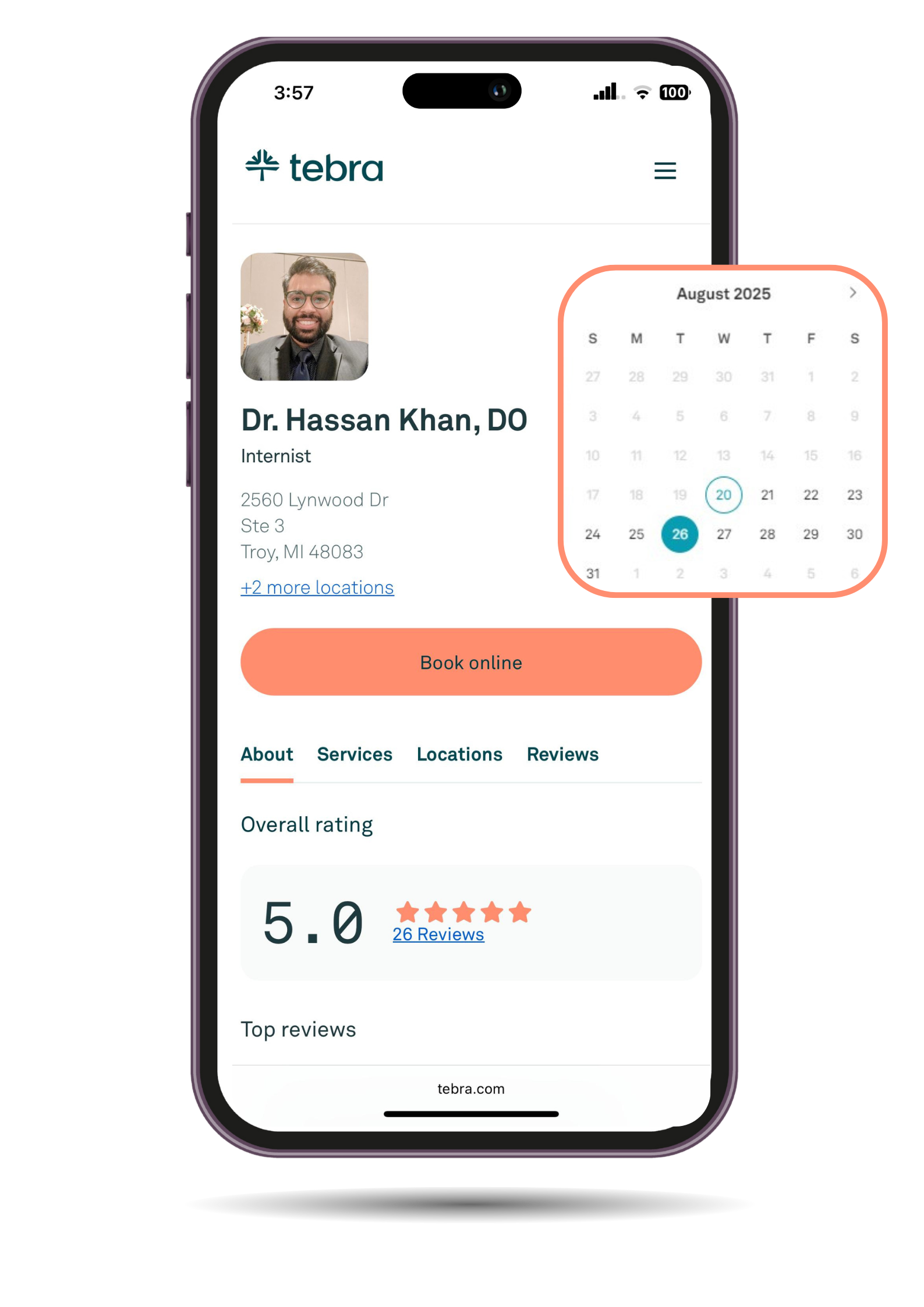
Booking your virtual healthcare appointment is quick and simple through our Appointment form, Zocdoc, Tebra, or by calling us.
Need help or have questions? We’re just a message or call away, ready to guide you every step of the way.
The information on this page is for general educational purposes only and is not a substitute for professional medical advice, diagnosis, or treatment. If you are experiencing a medical emergency or a mental health crisis, please seek immediate care from emergency services or a local crisis line. This content has been written and reviewed by the Medical Team at mindshape.care. Read our full Medical Disclaimer.