
Obstructive Sleep Apnea Treatment
Take Control of Your Sleep Health Today
If you snore loudly, wake up gasping, or drag through every afternoon no matter how much sleep you got the night before, obstructive sleep apnea (OSA) could be why. It’s one of the most common sleep disorders in adults — and one of the most treatable, once someone actually looks into it.
Written by:

Mindshape Content Team
Medically Reviewed by:


MindShape Clinic diagnoses and treats obstructive sleep apnea entirely online. No referral, no months-long wait for a sleep lab appointment. Care is led by board-certified physicians who also manage weight, hormones, and mental health, which matters because OSA rarely shows up on its own. Treatment options range from CPAP and oral appliances to Inspire® implants and, for patients who qualify, GLP-1 medications like Zepbound®.
What Is Obstructive Sleep Apnea?
Obstructive sleep apnea happens when the soft tissue at the back of your throat relaxes and collapses during sleep, blocking your airway. Breathing stops sometimes for a few seconds, sometimes for over a minute, and your brain triggers a brief, partial wake-up just enough to reopen it. Most people never remember it happening. It can occur dozens or hundreds of times a night.
The immediate effect is fragmented, low-quality sleep. The longer-term effect is what makes OSA worth treating rather than living with: every pause drops your blood oxygen, and your cardiovascular system reacts to each one like a small stressor. Repeated over months and years, that’s linked to high blood pressure, heart disease, irregular heartbeat, stroke, and type 2 diabetes.
Signs and Symptoms of Obstructive Sleep Apnea
Loud snoring is the symptom most people associate with sleep apnea, but it isn’t a requirement — it’s entirely possible to have OSA with quiet or no snoring at all, particularly for women (more on that below). Watch for:
- Loud, chronic snoring, or snoring that stops and starts
- Gasping, choking, or silent breathing pauses during sleep, often noticed by a partner first
- Morning headaches
- Excessive daytime sleepiness, even after eight hours in bed
- Trouble concentrating or short-term memory lapses
- Irritability or low mood without an obvious cause
Why Sleep Apnea Gets Missed in Women
OSA is still widely pictured as a condition affecting middle-aged men who snore. That framing causes real harm: women with OSA more often report insomnia, fatigue, or mood changes than the loud snoring and witnessed breathing pauses that usually prompt men to get tested. The result is that women get diagnosed later, or not at all. If you’ve been told your exhaustion is “just stress” and it hasn’t budged, it’s worth ruling out.
What Causes Obstructive Sleep Apnea?
OSA develops when the muscles supporting your airway relax more than they should during sleep. Several factors make that more likely:
- Excess weight, particularly around the neck
- Age (risk rises after 40)
- Family history
- Large tonsils, adenoids, or tongue
- Nasal congestion or structural nasal problems
- Smoking
- Regular alcohol or sedative use before bed
- Being male, though the gap narrows after menopause
- Existing heart disease or high blood pressure
Having one or more of these doesn’t guarantee OSA, and having none doesn’t rule it out, but they give your provider useful context when interpreting your symptoms and test results.
Understanding Your AHI Score
If you’re tested for sleep apnea, your results center on a number called AHI — the apnea-hypopnea index. It’s the average number of breathing pauses (apneas) and shallow-breathing events (hypopneas) you experience per hour of sleep.
- Normal: fewer than 5 events per hour
- Mild OSA: 5–15 events per hour
- Moderate OSA: 15–30 events per hour
- Severe OSA: more than 30 events per hour
Your AHI, combined with your symptoms and health history, is what determines which treatments make sense — Inspire® and, generally, GLP-1 medications are reserved for moderate-to-severe cases, while oral appliances often work well for mild-to-moderate OSA.
How Obstructive Sleep Apnea Is Diagnosed
You don’t need to check into a sleep lab to get a diagnosis in most cases.
Home Sleep Apnea Test (HSAT)
A take-home device that measures your breathing, oxygen levels, and heart rate for a night or two in your own bed. It’s the usual starting point for adults with a straightforward OSA presentation.
Polysomnography (PSG)
An in-lab, overnight sleep study that also tracks brain activity — the right choice when your case is more complex or an HSAT result is inconclusive.
Drug-Induced Sleep Endoscopy (DISE)
A selective procedure, typically used before Inspire® placement, that shows exactly where and how your airway collapses under sedation that mimics natural sleep.
Your provider recommends the right starting point based on your symptoms — not the most expensive option by default.
Treatment Options for Obstructive Sleep Apnea
There’s no single correct treatment for OSA. The right one depends on severity, anatomy, and what you’ll actually stick with long-term.
CPAP Therapy
Continuous positive airway pressure (CPAP) is still the most effective treatment for moderate-to-severe OSA when it’s used consistently: a mask delivers steady air pressure that keeps your airway open all night. The honest caveat is that a large share of patients struggle with it — the mask, the noise, the pressure — and stop using it within the first year. If that’s been your experience, it doesn’t mean you’re out of options. It means it’s time to look at the alternatives below.
BiPAP and AutoPAP
For patients who find fixed-pressure CPAP hard to tolerate, BiPAP (different pressure for inhaling versus exhaling) and AutoPAP (pressure that adjusts automatically through the night) are often more comfortable while delivering similar results.
Oral Appliance Therapy
A custom-fitted mouthpiece — usually a mandibular advancement device — holds your lower jaw slightly forward during sleep so it can’t fall back and block your airway. It’s a strong option for mild-to-moderate OSA, or for anyone who simply can’t adjust to a mask, and it travels far better than a CPAP machine.
Inspire® Therapy
Inspire is an implanted device, about the size of a pacemaker, that stimulates the nerve controlling your tongue so it doesn’t collapse backward and block your airway. You switch it on with a small remote before bed and off when you wake up — no mask, no hose. It’s approved for adults 18 and older with moderate-to-severe OSA (AHI 15–65) who haven’t had success with CPAP, typically with a BMI under 40.
Inspire has been in use since 2014, with a well-documented track record for appropriately selected patients. It isn’t risk-free — expect temporary tongue or throat discomfort while you adjust, and, rarely, complications requiring device revision. If you’ve come across alarming stories online, ask your provider directly about how candidacy is screened; a lot of dissatisfaction with Inspire traces back to patients who weren’t strong candidates to begin with.
Weight Loss and GLP-1 Medications
Excess weight is one of the biggest drivers of OSA, and meaningful weight loss can reduce — sometimes substantially — how often your airway collapses at night. In December 2024, the FDA approved Zepbound® (tirzepatide) specifically for adults with moderate-to-severe OSA and obesity (BMI 30 or higher), making it the first medication with that exact indication.
One distinction worth understanding: Zepbound and Mounjaro share the same active ingredient, tirzepatide, but Mounjaro is FDA-approved for type 2 diabetes, not OSA. Any sleep apnea benefit from Mounjaro, Ozempic, or Wegovy would come indirectly, through weight loss, rather than an OSA-specific approval. Whether any of these fit your situation depends on your weight, health history, and OSA severity — the kind of decision that benefits from a provider evaluating your metabolic health and your sleep together, rather than in two separate appointments with two separate specialists.
Surgical Treatment
When CPAP, oral appliances, and nerve stimulation aren’t a fit — or a specific anatomical obstruction is clearly the cause — surgery may be the recommended path. Options include uvulopalatopharyngoplasty (UPPP), which removes excess throat tissue, and maxillomandibular advancement (MMA), which repositions the jaw to open the airway permanently. These are typically considered after other treatments have been tried, given the recovery involved.
Lifestyle Changes
On their own, lifestyle changes rarely resolve moderate-to-severe OSA, but they meaningfully improve outcomes alongside any of the treatments above:
- Losing weight, even a modest amount
- Sleeping on your side instead of your back
- Cutting back on alcohol and sedatives before bed
- Quitting smoking
Why Patients Choose MindShape Clinic
One team, not a referral chain. Your OSA care is managed by the same physicians handling your weight, hormones, or mental health if you’re already a MindShape patient — so nothing gets lost between specialists, and nobody’s guessing at your full picture.
No waiting months for a sleep lab. Traditional sleep studies routinely run multi-month waitlists. MindShape’s home testing and virtual visits mean most patients go from booking to a diagnosis in days.
Every major treatment path, evaluated honestly. From CPAP and oral appliances to Inspire® and Zepbound® for eligible patients, your provider will tell you what actually fits your AHI, anatomy, and history — not just what’s easiest to prescribe.
Transparent pricing, insurance or not. You’ll know your cost before you book, whether you’re paying with insurance, cash, or an HSA/FSA card.
How Obstructive Sleep Apnea Treatment Works at MindShape Clinic
Book Your Appointment
Click “Book an Appointment” and select the option that works best for you.
Meet your provider
A video visit where your provider reviews your symptoms and history and decides whether an HSAT, an in-lab study, or another next step makes sense.
Get your care plan
If you're diagnosed with OSA, your provider builds a plan around your severity and preferences — CPAP, an oral appliance, Inspire®, weight-loss treatment, or a combination.
Ongoing Support & Follow-Ups
Regular follow-ups to adjust your treatment and confirm it's actually working, not just prescribed.
Affordable Options for Every Patient
We believe cost shouldn’t limit your access to Sleeping Health. Our transparent pricing and use of your existing benefits make care affordable and accessible.
Insurance Coverage
We accept many major insurance plans and verify benefits before your visit. As a result, you’ll know your expected copay or coinsurance in advance, and we’ll file claims on your behalf. Coverage varies by plan and service; therefore, our team confirms details with you so there are no surprises.
Sliding-Scale & Self-Pay Pricing
If you are uninsured or prefer to self-pay, our pricing keeps care approachable. Your first visit is $160, and each follow-up visit is $90. Because these rates are clear and consistent, you can stay engaged in treatment without worrying about unexpected costs. If financial hardship arises, talk with us—when possible, we work to keep care within reach.
HSA/FSA Payment Options
You can use HSA or FSA funds for eligible services, which further reduces out-of-pocket costs. In addition, we provide detailed receipts for easy reimbursement. Consequently, paying for ongoing care becomes simpler and more predictable.
Transparent Pricing
No hidden fees—ever. We share estimates before you book and confirm your total at checkout, so budgeting feels simple. Please note: medications, labs, or outside services—if needed—may be billed separately; however, we explain those costs upfront to help you make informed choices.
Obstructive Sleep Apnea Treatment medication pricing details
We believe in making health care affordable and accessible to everyone, whether you have insurance or not. At MindShape Clinic, we provide clear, upfront pricing so you can focus on what matters most—your health.
With Insurance Coverage
With insurance, most patients pay only a copay. MindShape accepts most major plans, including Aetna, Cigna, Humana, Medicare, UnitedHealthcare, and BlueCross BlueShield.
Visits


Without Insurance Coverage
Without insurance: $160 for your first visit, $90 for follow-ups — no hidden fees. HSA and FSA cards are accepted.
First Visit
No Hidden-fee
Follow-up Visits
Frequently Asked Questions About OSA
Can obstructive sleep apnea be dangerous if left untreated?
Yes, though not usually in the way people fear. In the vast majority of cases, your brain’s arousal reflex reliably restarts your breathing before true suffocation. The real risk is cumulative: years of oxygen drops and disrupted sleep raise your risk of high blood pressure, heart attack, stroke, and drowsy-driving accidents. That’s why treatment matters even if you feel like you’re coping fine during the day.
Can you have sleep apnea without snoring?
Yes. Snoring is common with OSA but not universal — some people have frequent breathing pauses with quiet or no snoring at all, depending on airway anatomy. Daytime symptoms like fatigue, morning headaches, and trouble concentrating matter just as much as what a partner hears at night.
Is sleep apnea genetic?
There’s a real genetic component — airway anatomy, jaw structure, and even a tendency toward weight gain can run in families — but genetics rarely tell the whole story. Weight, age, alcohol use, and other factors all interact with whatever you inherited.
Can obstructive sleep apnea be cured?
It depends on the cause. If excess weight is the main driver, substantial weight loss can sometimes resolve it. Certain anatomical cases respond well to surgery. But for many adults, especially with moderate-to-severe OSA, it’s a manageable long-term condition rather than a one-time cure — which is why consistent use of whatever treatment you’re on matters more than chasing a permanent fix.
What does my AHI score mean?
AHI, or apnea-hypopnea index, is the average number of breathing interruptions per hour of sleep. Under 5 is normal, 5–15 is mild, 15–30 is moderate, and over 30 is severe. It’s one of the main numbers your provider uses to decide which treatments make sense for you.
Do I need a referral or an overnight sleep lab visit to get diagnosed?
No. Most MindShape patients start with a video visit and, if appropriate, a home sleep apnea test — no referral and no overnight stay required. An in-lab study is only recommended when your case needs a closer look.
Is Inspire® therapy safe, and who is it a good fit for?
Inspire is FDA-approved and has been used since 2014, with a well-documented safety record for appropriately selected patients — typically adults 18+ with moderate-to-severe OSA (AHI 15–65), a BMI under 40, and a history of not tolerating CPAP. Temporary tongue or throat discomfort while adjusting is common; serious complications are uncommon but possible, as with any implant. Most negative experiences you’ll find online trace back to candidacy — exactly what a proper evaluation is designed to catch before you commit to the procedure.
How much does sleep apena treatment cost, and does insurance cover it?
With insurance, most patients pay only a copay; MindShape accepts most major plans, including Medicare. Without insurance, visits are $160 for your first appointment and $90 for follow-ups, and HSA/FSA cards are accepted. Costs for CPAP equipment, oral appliances, Inspire®, or medication vary by your treatment plan and specific coverage.
Can Zepbound or other GLP-1 medications treat sleep apnea?
Zepbound (tirzepatide) is FDA-approved specifically for adults with moderate-to-severe OSA and obesity (BMI 30+), based on trial results showing meaningful reductions in breathing interruptions alongside weight loss. Mounjaro, Ozempic, and Wegovy aren’t FDA-approved for OSA specifically, though they may help indirectly through weight loss. Whether a GLP-1 medication fits your situation depends on your weight, OSA severity, and health history, which your provider can evaluate alongside your sleep study results.
Can losing weight get rid of sleep apnea?
It can significantly reduce severity, and in some cases resolve it, particularly when excess weight around the neck and airway is the main contributing factor. It isn’t guaranteed — anatomy plays a role too — so it’s worth getting retested after significant weight change rather than assuming it’s resolved.
Can sleep apnea cause anxiety or depression?
There’s a well-documented, two-way relationship. Fragmented sleep and repeated oxygen drops affect the same brain systems that regulate mood, and can worsen anxiety or depression that already exists, or contribute to new symptoms. Treating the underlying OSA often improves mood symptoms that didn’t fully respond to mental health treatment alone.
Why is sleep apnea often missed in women?
Because it’s still widely associated with loud snoring in middle-aged men. Women with OSA more often present with insomnia, fatigue, or mood changes, which get attributed to stress or menopause instead of investigated as a sleep-breathing problem. If your exhaustion hasn’t responded to anything else you’ve tried, it’s worth ruling out.
Is sleep apnea considered a disability?
It can be, depending on the context. Under the ADA, it may qualify if it substantially limits a major life activity and isn’t fully corrected by treatment. It’s also a common basis for VA disability claims among veterans, often connected to another service-related condition. A diagnosis and a documented treatment history are typically the starting point either way.
What happens if CPAP doesn't work for me?
You have real options. Oral appliances, Inspire® therapy, and — for eligible patients — GLP-1 medications like Zepbound address OSA through different mechanisms than CPAP, and one of them is likely to fit your anatomy and lifestyle better. Struggling with CPAP is common, not a personal failure, and it’s a normal reason to revisit your treatment plan rather than give up on treatment altogether.
Appointment
Take Control of Obstructive Sleep Apnea Today
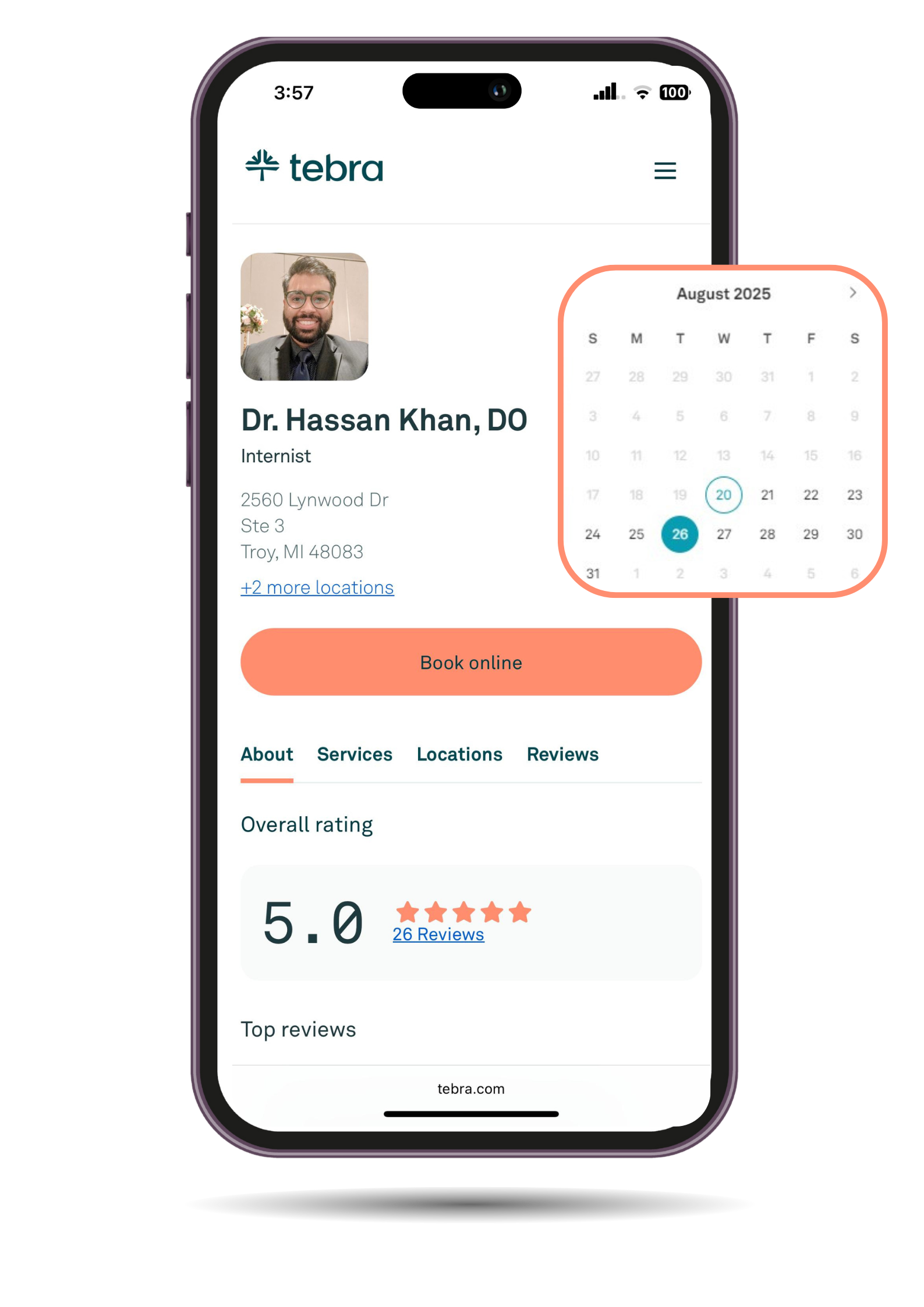
Booking your virtual healthcare appointment is quick and simple through our Tebra account or by calling us.
Need help or have questions? We’re just a message or call away, ready to guide you every step of the way.
The information on this page is for general educational purposes only and is not a substitute for professional medical advice, diagnosis, or treatment. If you are experiencing a medical emergency or a mental health crisis, please seek immediate care from emergency services or a local crisis line. This content has been written and reviewed by the Medical Team at mindshape.care. Read our full Medical Disclaimer.