Low Testosterone
Low Testosterone Treatment Online
Take Control of Your Energy, Mood, and Confidence
Mindshape Clinic offers clinician-led online evaluations and low testosterone treatment in the USA, featuring lab-based diagnosis and individualized care plans, including TRT when medically appropriate.
Written by:

Medically Reviewed by:


What Is Low Testosterone?
Low testosterone (Low T) is more than “getting older.” It can affect energy, libido, mood, and physical performance—and it deserves a medical answer.
Low testosterone—also called testosterone deficiency or male hypogonadism—means your body isn’t producing enough testosterone and you have symptoms consistent with that deficiency. Medical guidelines recommend diagnosing low testosterone only when symptoms match and testosterone levels are unequivocally and consistently low, confirmed with repeat testing.
At Mindshape.care, we don’t sell shortcuts. We start with a real clinical evaluation and a clear lab plan. If your results and symptoms support low testosterone, we discuss treatment options (including TRT when appropriate) and ongoing monitoring.
Signs & Symptoms of Low Testosterone
Low T can show up quietly. Many men notice the change in motivation and recovery before they notice anything else.
Common symptoms associated with low testosterone include:
- Low sex drive (libido)
- Fewer morning erections
- Fatigue that doesn’t improve with sleep
- Low mood, irritability, or “flat” motivation
- Brain fog or reduced focus
- Decreased strength or muscle mass
- Increased belly fat or harder body composition changes
- Reduced exercise tolerance and slower recovery
Why this matters: these symptoms can also overlap with sleep issues, high stress, depression/anxiety, thyroid problems, medication effects, or metabolic health. That’s why diagnosis should be guided by a clinician and confirmed with labs.
Causes and Risk Factors of Low Testosterone
Low testosterone can be primary (testicular) or secondary (brain signaling). Often, more than one factor is involved.
Low testosterone may be linked to medical conditions that affect hormone production, or factors that suppress hormones over time.
Risk factors can include:
- Age-related decline (not always clinically treatable)
- Excess body fat / metabolic issues
- Poor sleep or possible sleep apnea
- Chronic stress and burnout
- Certain medications (your clinician will review these)
- Testicular injury or prior chemotherapy/radiation
- Pituitary/hypothalamic conditions
If you’re considering testosterone therapy, it’s important to know that FDA-approved testosterone products are indicated for men with low testosterone associated with specific medical conditions, not just normal aging.
Diagnosis of Low Testosterone
A real diagnosis takes more than one test. Timing matters, and context matters.
Diagnosis typically includes:
- Symptom review + medical history
We look at what you’re experiencing, when it started, sleep patterns, medications, and health history. - Morning fasting testosterone testing (usually twice)
Guidelines recommend confirming the diagnosis by repeating a morning fasting total testosterone measurement on a separate day. Testosterone levels vary day-to-day and can be temporarily suppressed. - interpreting results correctly
The AUA notes clinicians can use total testosterone <300 ng/dL as a reasonable cut-off supporting diagnosis (when paired with symptoms and proper testing). - Additional labs when appropriate
Your clinician may recommend other labs to understand the cause and guide safety monitoring (based on your situation).
Treatment Options for Low Testosterone
Treatment should be personalized. The best plan addresses root causes, not just numbers on a lab report.
1. Correct reversible causes first (when possible)
Many men improve by addressing sleep, stress, nutrition, activity, alcohol intake, and medication-related contributors.
2. Lifestyle plan that supports hormones
A structured plan can improve energy, body composition, and mood—even before medication. We focus on changes you can actually follow.
3. Testosterone Replacement Therapy (TRT) when medically appropriate
If your symptoms and labs support testosterone deficiency, TRT may be considered after discussing benefits, risks, and monitoring.
Common TRT forms include:
- Topical gels
- Injections
- Patches
(Your clinician will discuss what fits your needs.)
4. Monitoring & safety plan (built into care)
Responsible TRT requires follow-up. In 2025, the FDA required class-wide labeling changes for testosterone products, including warnings related to increased blood pressure.
5. Fertility considerations
If fertility is a priority, tell your clinician early. Treatment decisions should reflect your goals.
Lifestyle changes that often matter most:
- Sleep consistency (and screening for sleep problems)
- Strength training + daily movement
- Protein-forward nutrition and weight management
- Stress reduction you can sustain
Why Choose MindShape Clinic for Low Testosterone Treatment?
Why Choose MindShape Clinic for Low Testosterone Treatment?
- Clinician-led evaluation: Symptoms + labs, not guesswork
- Personalized plan: Lifestyle + treatment options based on your goals
- Safety-first TRT: Monitoring and follow-up built into the approach
- Discreet, respectful care: Private telehealth experience
- Clear next steps: You’ll leave with a plan you understand
Low Testosterone Treatment FAQs
Can low testosterone be diagnosed online?
What testosterone level is considered “low”?
Do I need labs before starting TRT?
Is TRT safe?
What if my testosterone is “low-normal”?
How quickly will I feel better?
How Low Testosterone Treatment Works at MindShape Clinic
Getting started is straightforward, and progress is built through follow-up. Here’s how online low testosterone treatment typically works at Mindshape.care:
Book Your Appointment
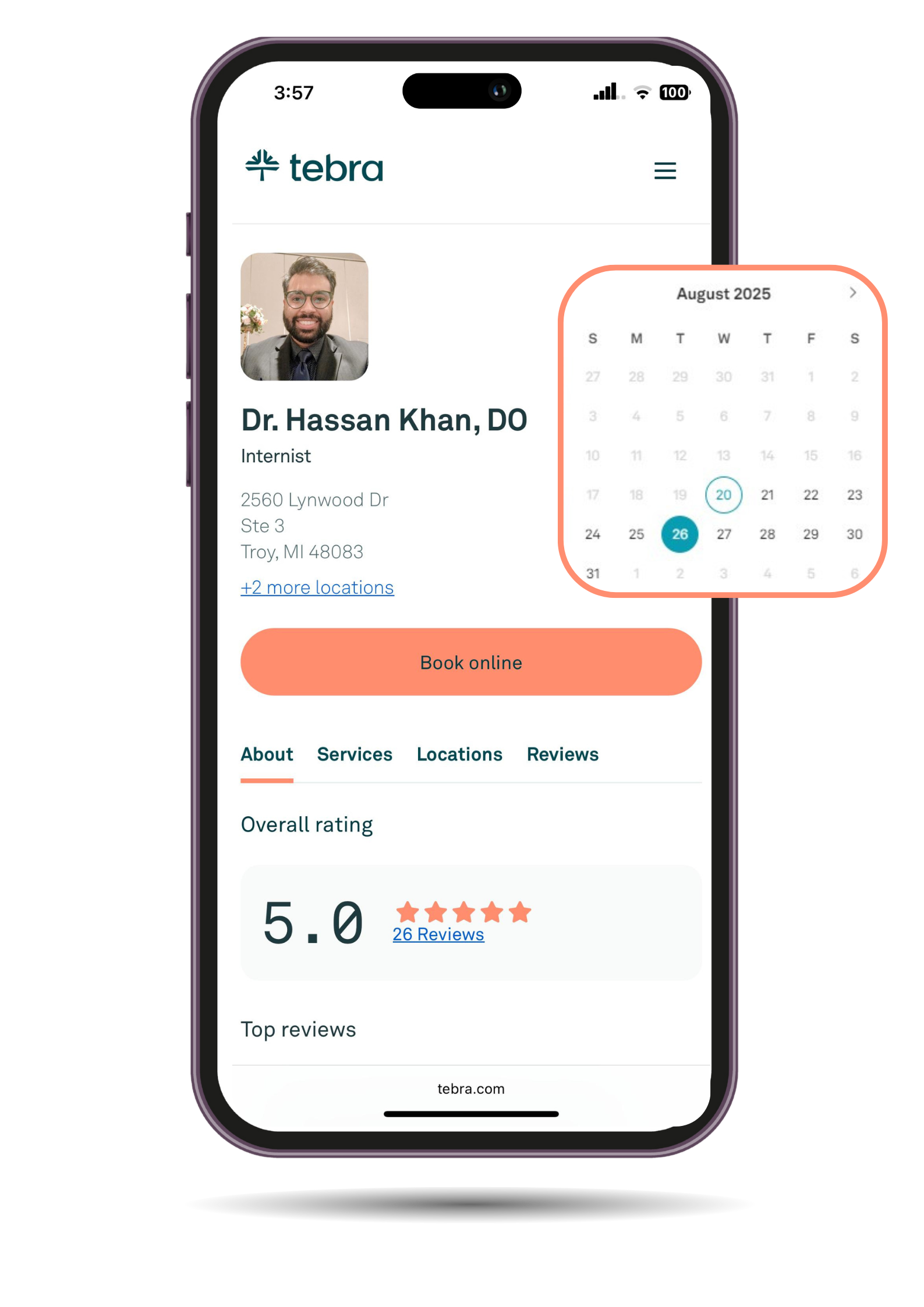
Choose a time, and complete simple intake forms through Tebra. Because everything is digital, setup takes only a few minutes.
Meet Your Online Doctor
During your first visit, your clinician listens closely, reviews your history, and discusses initial steps. Consequently, you leave with clarity and a plan.
Personalized Care Plan
Your plan may include therapy, coaching, lifestyle strategies, and—when appropriate—medication management. In addition, we set realistic milestones so you can see progress.
Ongoing Support & Follow-Ups
We schedule regular check-ins and share resources between visits. Therefore, you stay supported, accountable, and steadily improving.
Affordable Options for Every Patient
We believe care should feel accessible. We aim for transparent options so you can plan your treatment without surprises.
Insurance Coverage
We accept many major insurance plans and verify benefits before your visit. As a result, you’ll know your expected copay or coinsurance in advance, and we’ll file claims on your behalf. Coverage varies by plan and service; therefore, our team confirms details with you so there are no surprises.
Sliding-Scale & Self-Pay Pricing
If you are uninsured or prefer to self-pay, our pricing keeps care approachable. Your first visit is $160, and each follow-up visit is $90. Because these rates are clear and consistent, you can stay engaged in treatment without worrying about unexpected costs. If financial hardship arises, talk with us—when possible, we work to keep care within reach.
HSA/FSA Payment Options
You can use HSA or FSA funds for eligible services, which further reduces out-of-pocket costs. In addition, we provide detailed receipts for easy reimbursement. Consequently, paying for ongoing care becomes simpler and more predictable.
Transparent Pricing
No hidden fees—ever. We share estimates before you book and confirm your total at checkout, so budgeting feels simple. Please note: medications, labs, or outside services—if needed—may be billed separately; however, we explain those costs upfront to help you make informed choices.
Low Testosterone Treatment medication pricing details
We believe in making health care affordable and accessible to everyone, whether you have insurance or not. At MindShape Clinic, we provide clear, upfront pricing so you can focus on what matters most—your health.
With Insurance Coverage
If you’re covered by insurance, your visit is likely $0! You’ll just have a small Co-pay depending on your plan, and we’ll handle all the details for you. No surprises—just focused care when you need it.
Visits


Without Insurance Coverage
For those without insurance, we offer affordable pricing—$160 for your first visit and $90 for follow-ups. We keep things clear and simple, so you always know what to expect.
First Visit
No Hidden-fee
Follow-up Visits
Appointment
Take Control of Low Testosterone Today
If you’re tired of guessing—and you want a real medical answer—start with a clinician-led evaluation. We’ll help you understand what’s driving your symptoms and what treatment path makes sense.