Pregnant With PCOS
Written by:

Medically Reviewed by:

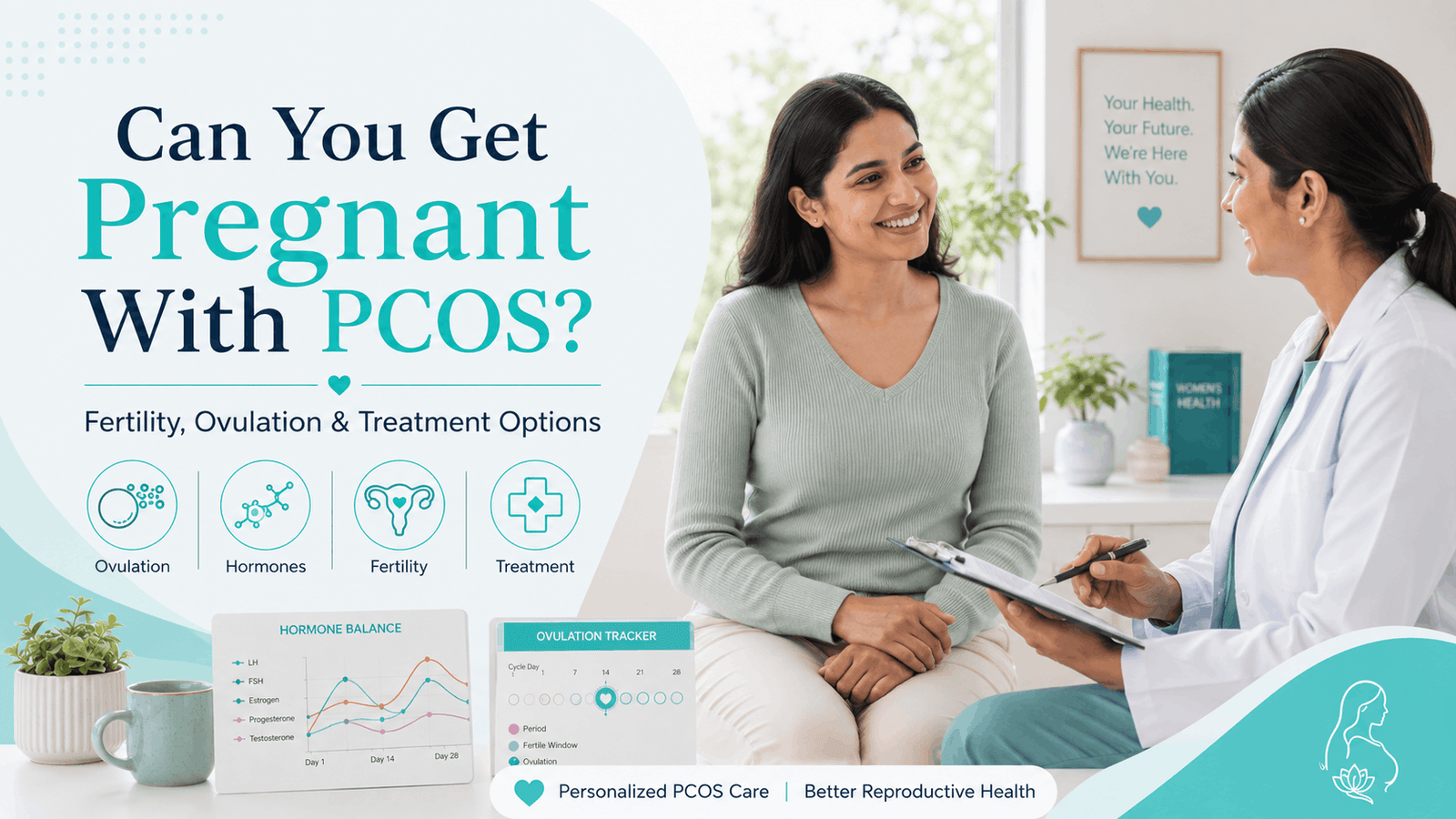
Can You Get Pregnant With PCOS/PMOS? What to Know About Fertility, Ovulation, and Treatment
Yes, you can get pregnant with PCOS. For many women, pregnancy is possible naturally, while others may need support with ovulation, hormones, lifestyle changes, or fertility treatment. PCOS can make it harder to conceive, but it does not mean you cannot become pregnant.
FAQs
FAQs About Getting Pregnant With PCOS
Please feel free to Send a Message or call us if your related question is not included here. we are happy to serve you.
Best age to get pregnant with PCOS?
The best age to get pregnant with PCOS depends on your health, cycle pattern, ovulation, and fertility goals. In general, fertility is usually higher in your 20s and early 30s. However, many women with PCOS can still get pregnant after 30, especially with the right support.
How to get pregnant with PCOS quickly?
To get pregnant with PCOS quickly, start by confirming whether you are ovulating. Track your cycles, eat balanced meals, exercise regularly, manage stress, and speak with a clinician if your periods are irregular or absent. If you are not ovulating, medication may be needed to improve your chances.
If you have PCOS can you get pregnant naturally?
Yes, many women with PCOS can get pregnant naturally. This is more likely if you ovulate regularly or occasionally. If ovulation is irregular, natural pregnancy may take longer, and medical support may help.
I have PCOS but regular periods. Can I get pregnant?
Yes, you can get pregnant if you have PCOS and regular periods. Regular periods may mean you are ovulating, but this is not always guaranteed. If you have been trying to conceive without success, a healthcare provider can help check ovulation and other fertility factors.
Is it harder to get pregnant with PCOS?
It can be harder to get pregnant with PCOS because PCOS may affect ovulation. If you ovulate less often, you have fewer chances to conceive. However, PCOS-related fertility problems are often treatable with lifestyle support, medication, and fertility care.
Can you get pregnant with PCOS and no period?
It is possible, but it is usually harder. No period often means you may not be ovulating regularly. Since pregnancy usually requires ovulation, it is important to speak with a healthcare provider if you have PCOS and no periods while trying to conceive.
If you have been diagnosed with PCOS, or you think you may have it, it is normal to feel worried about your fertility. You may wonder if your periods are too irregular, whether you are ovulating, or if getting pregnant will take longer than expected. The good news is that PCOS-related fertility challenges are often manageable with the right plan.
In this guide, we will explain how PCOS affects fertility, whether you can get pregnant naturally, what treatments may help, the best age to try for pregnancy with PCOS, and when to speak with a healthcare provider.
2026 medical update: PCOS is now also being referred to as PMOS — Polyendocrine Metabolic Ovarian Syndrome — after a global naming update. However, most patients still search for “PCOS,” so this article uses PCOS to keep the information easy to find.
What Is PCOS?
PCOS stands for polycystic ovary syndrome. It is a hormonal condition that can affect menstrual cycles, ovulation, skin, hair growth, weight, insulin levels, and fertility. PCOS does not look the same for everyone. Some women have irregular periods, some have no periods, and others may have regular periods but still experience symptoms.
Common signs of PCOS may include irregular periods, missed periods, acne, unwanted facial or body hair, weight gain, thinning hair, oily skin, and difficulty getting pregnant. Some women also have insulin resistance, which means the body has a harder time using insulin properly.
You may also start seeing PCOS called PMOS, which stands for polyendocrine metabolic ovarian syndrome. This newer name is being introduced because PCOS affects more than the ovaries; it can also involve hormones, metabolism, and long-term health. However, most people still search for and recognize the term PCOS.
How Does PCOS Affect Fertility?
PCOS can affect fertility mainly by disrupting ovulation. Ovulation is when an ovary releases an egg. To get pregnant naturally, ovulation usually needs to happen so sperm can fertilize the egg.
In many women with PCOS, ovulation does not happen regularly. This can make periods irregular and can make it harder to know when your fertile window is. If you ovulate less often, you have fewer chances each year to become pregnant.
PCOS can also be linked with higher androgen levels, insulin resistance, inflammation, and weight changes. These factors may affect hormone balance and make it more difficult for the body to prepare for pregnancy.
Still, many women with PCOS do get pregnant. Some conceive naturally after lifestyle changes, some need medication to help with ovulation, and some benefit from fertility treatments such as IUI or IVF.
Can You Get Pregnant With PCOS Naturally?
Yes, you can get pregnant with PCOS naturally, especially if you are ovulating. Some women with PCOS ovulate regularly or occasionally, which means a natural pregnancy is possible. The challenge is that ovulation may be unpredictable. You may have a cycle that is 35 days, then 60 days, then skip a month. This makes it harder to time intercourse and know when you are most fertile.
If your periods come regularly every month, your chances of ovulating may be higher. But regular bleeding does not always guarantee strong or consistent ovulation. If you have been trying for several months without success, it may be helpful to check ovulation with a healthcare provider.
Can You Get Pregnant With PCOS and No Period?
Getting pregnant with PCOS and no period is possible, but it is usually harder. If you are not having periods, you may not be ovulating regularly. Without ovulation, there may be no egg available for fertilization.
Some women may ovulate unexpectedly even after long gaps without a period, which means pregnancy can still happen. However, if you are trying to conceive and you have no periods, you should not wait too long before getting medical support.
A clinician can help identify why your periods have stopped and whether treatment is needed to support ovulation. In many cases, restoring ovulation can improve the chances of pregnancy.
Is It Harder to Get Pregnant With PCOS?
For many women, yes, it can be harder to get pregnant with PCOS. This is mostly because PCOS can interfere with regular ovulation. If ovulation happens less often, there are fewer opportunities to conceive.
However, PCOS is also one of the most treatable causes of infertility. Many women respond well to lifestyle changes, weight management, insulin resistance support, and ovulation-inducing medications.
The most important thing is to understand your personal situation. Your age, cycle pattern, weight, insulin levels, hormone levels, and how long you have been trying all matter.
Best Age to Get Pregnant With PCOS
There is no single perfect age to get pregnant with PCOS, but fertility is generally higher in the 20s and early 30s. This is true for most women, with or without PCOS.
PCOS can make ovulation less predictable, but age still plays an important role in egg quality and fertility. If you are in your 20s or early 30s, you may have more time to try lifestyle changes or ovulation support if needed.
If you are over 30 and have PCOS, pregnancy is still possible. Many women with PCOS get pregnant after 30. However, it is smart to be more proactive, especially if your periods are irregular or you have been trying for several months.
If you are over 35 and have been trying to conceive for 6 months without success, speak with a healthcare provider or fertility specialist. If you are over 40, it is usually best to seek guidance sooner.
Getting Pregnant With PCOS After 30
Getting pregnant with PCOS after 30 is possible, but planning becomes more important. After 30, fertility may gradually decline, and after 35, the decline can become more noticeable.
If you have PCOS after 30, the goal is to avoid guessing. Track your cycles, confirm ovulation, check hormone and metabolic health, and speak with a clinician if pregnancy is not happening.
A personalized plan may include nutrition changes, exercise, weight management, insulin resistance treatment, ovulation medication, or referral for fertility care if needed. The earlier you understand what is happening, the better your options may be.
How to Get Pregnant With PCOS Quickly
If you want to get pregnant with PCOS quickly, the first step is to find out whether you are ovulating. If you are not ovulating regularly, timing intercourse alone may not be enough.
You can start by tracking your menstrual cycle, cervical mucus, basal body temperature, or ovulation predictor kits. However, ovulation tests can sometimes be confusing for women with PCOS because hormone levels may be higher or irregular.
A healthcare provider may recommend blood tests, ultrasound monitoring, or other evaluations to confirm ovulation. Once you know whether you are ovulating, you can choose the right next step.
Practical Steps That May Help
- Eat balanced meals with protein, fiber, healthy fats, and slow-digesting carbohydrates. This can support blood sugar and insulin balance.
- Exercise regularly. Even moderate movement, such as walking, strength training, or cycling, may help support hormone balance and metabolic health.
- Aim for a healthy weight if your weight is affecting your PCOS symptoms. Even modest weight loss may improve ovulation in some women.
- Get enough sleep and manage stress. Poor sleep and high stress can affect hormones and make symptoms harder to manage.
- Work with a clinician if your periods are irregular, absent, or if you have been trying without success.
Medical Treatments That May Help You Get Pregnant With PCOS
If lifestyle changes are not enough, medical treatment may help. The goal is often to support ovulation so the body releases an egg more regularly.
Letrozole is commonly used as a first-line medication for ovulation induction in women with PCOS-related anovulatory infertility when there are no other infertility factors. Clomiphene citrate may also be used in some cases.
Metformin may be recommended if insulin resistance is part of your PCOS picture. It may help improve insulin and blood sugar levels, and in some women, it may support more regular ovulation.
If oral medications do not work, a fertility specialist may discuss other options such as injectable medications, intrauterine insemination, or in vitro fertilization.
The right treatment depends on your age, cycle pattern, hormone levels, metabolic health, partner’s sperm health, and how long you have been trying.
Emotional Support While Trying to Get Pregnant With PCOS
Trying to get pregnant with PCOS can feel frustrating. You may feel hopeful one month and discouraged the next. Irregular cycles can make the waiting even harder because you may not know when or if you ovulated.
It is important to remember that fertility struggles are not your fault. PCOS is a medical condition, and support is available.
Metformin may be recommended if insulin resistance is part of your PCOS picture. It may help improve insulin and blood sugar levels, and in some women, it may support more regular ovulation.
Talking with a clinician, counselor, partner, or support group can make the process feel less lonely. Emotional health matters during fertility care, especially when the journey takes longer than expected.
When Should You See a Doctor?
You should speak with a healthcare provider if your periods are very irregular, you have no periods, you are unsure if you are ovulating, or you have been trying to conceive without success.
If you are under 35, many clinicians recommend seeking help after 12 months of trying. If you are over 35, it is better to seek help after 6 months. If you are over 40, consider getting advice sooner.
You should also seek care if you have symptoms such as very heavy bleeding, severe pelvic pain, rapid weight changes, high blood sugar, or signs of excess androgens such as severe acne or unwanted hair growth.
How Mindshape Clinic Helps With PCOS and Fertility
PCOS can affect every woman differently. Some women have irregular periods. Some have no periods. Others have regular cycles but still struggle to get pregnant. At Mindshape Clinic, care is focused on understanding your symptoms, your cycle, your metabolic health, and your fertility goals.
Mindshape Clinic offers online PCOS treatment in the USA, including clinician-led evaluation, symptom-focused care, fertility support when needed, and ongoing follow-ups.
Our care team can help review your menstrual history, symptoms, weight changes, acne, unwanted hair growth, insulin resistance risk, and fertility concerns. From there, we help create a personalized plan that may include lifestyle guidance, hormone support, metabolic health management, and treatment options when appropriate.
If you are trying to get pregnant with PCOS, Mindshape Clinic can help you move from confusion to clarity. You do not have to guess whether your symptoms are normal or whether your cycle is affecting your chances. With the right support, you can better understand your body and take the next step with confidence.
Ready to Take the Next Step Toward Pregnancy With PCOS?
If you have PCOS and are trying to conceive, you do not have to figure it out alone. Whether your periods are irregular, you are unsure if you are ovulating, or you have been trying for months without success, getting the right support can make a meaningful difference.
At Mindshape Clinic, our care team helps you understand your symptoms, review your cycle patterns, and create a personalized plan to support hormonal balance, ovulation, and fertility goals.
Book an online PCOS consultation with Mindshape Clinic today and take the first step toward a clearer fertility plan.
A caring note from MindShape Care
This article is for education only and is not a diagnosis. If your symptoms feel severe, urgent, or unsafe, please seek immediate emergency or crisis support.
This article was reviewed and written with insights from the Medical team at Medically reviewed by licensed clinicians at mindhsape. care. in the USA — experienced healthcare professionals specializing in anxiety, depression, chronic kidney disease, all types of diabetes, hair loss, hormonal health, hyperlipidemia, hypertension, low testosterone, nutrition management, obesity, obstructive sleep apnea, PCOS, and infertility, and patient wellness. Learn more about our board-certified doctors and treatment experts who contribute to our educational blogs and patient support programs.
Recent Blogs
Learn more about Virtual Healthcare and Treatments

Why You Can Rely on Us?
At Mindshape Clinic, we are committed to providing clear and trustworthy health information that you can rely on.
Reliable Information – Every article is based on credible sources.
Expert Review – Content is carefully checked before publishing.
Up to Date – We keep information current with the latest insights.
Clarity First – Our goal is to make knowledge simple and accessible.