Gestational Diabetes Management Online
Read Time: 12min
Written by:

Mindshape Content Team
Medically Reviewed by:

Gestational Diabetes: Causes, Symptoms, Test, and Treatment
Gestational diabetes can feel like one more overwhelming thing in a pregnancy that already asks a lot of you. Many patients hear the diagnosis and immediately jump to the same fears: Did I do something wrong? Did I hurt the baby? Is this permanent? Those questions are normal. They also deserve clear answers. Gestational diabetes is a type of diabetes that develops during pregnancy, and with the right treatment plan, many patients go on to have a healthy pregnancy and a healthy baby.
Table of Contents
FAQs
Gestational Diabetes FAQs
Please feel free to Send a Message or call us if your related question is not included here. we are happy to serve you.
The main known risks include a baby growing very large, higher chances of delivery complications, breathing problems, or low blood sugar after birth, and higher long-term risk of obesity and type 2 diabetes later in life. These risks are why treatment matters.
For many patients, control starts with a healthy eating plan, regular physical activity, home glucose monitoring, and follow-up with the care team. If those steps are not enough, insulin may be needed.
This condition develops when pregnancy hormones increase insulin resistance, and the body cannot make enough extra insulin to keep blood sugar normal. Risk rises with factors such as prior gestational diabetes, overweight or obesity, family history of type 2 diabetes, PCOS, and certain other pregnancy risk factors.
Yes. With monitoring and treatment, many patients have a healthy pregnancy and a healthy baby. That is exactly why testing and treatment are so important.
Usually there are no clear early signs. If symptoms appear, they are often mild, such as increased thirst or urinating more often. Routine testing is more reliable than symptom-watching.
There is no official blanket fruit ban in the gestational diabetes guidance reviewed here. A more useful approach is to keep portions reasonable, prefer whole fruit over juice, and pay attention to your own blood sugar readings after eating.
It is usually smarter to limit large sugary drinks, oversized desserts, and big portions of refined carbohydrates rather than chase a perfect ban list. Food type, amount, and timing all matter.
Blood sugar control often gets harder later in pregnancy because insulin resistance naturally increases in late pregnancy. That is one reason many patients are screened in the second trimester and monitored more closely afterward.
No. Gestational diabetes reflects how your body is handling pregnancy-related insulin resistance. All pregnant women develop some insulin resistance late in pregnancy, and some bodies simply cannot make enough extra insulin to compensate. It is a medical condition, not a personal failure.
This is not a diagnosis to ignore, but it is also not a reason to panic. CDC says testing matters because treatment helps protect both your baby’s health and your own. NIDDK adds that many women can manage gestational diabetes with a healthy eating plan and physical activity, while some also need insulin.
What Gestational Diabetes Is
Gestational diabetes is a type of diabetes that develops during pregnancy in someone who did not already have diabetes. In simple terms, blood sugar rises because the body cannot keep up with the extra insulin demands of pregnancy. NIDDK explains that during pregnancy the body makes special hormones, cells become more insulin resistant, and some pregnant women cannot make enough insulin to compensate.
How gestational diabetes differs from type 1 and type 2 diabetes
This condition matters because high blood sugar during pregnancy can affect both the pregnant patient and the baby.. Type 1 diabetes is autoimmune. Type 2 diabetes is usually driven by insulin resistance and metabolic factors over time. Gestational diabetes is specifically tied to pregnancy-related hormonal changes and increased insulin resistance. Still, if blood sugar is high very early in pregnancy, CDC notes that the person may actually have undiagnosed type 1 or type 2 diabetes rather than gestational diabetes.
Why gestational diabetes matters
This condition matters because high blood sugar during pregnancy can affect both the pregnant patient and the baby. CDC says managing diabetes during pregnancy helps support a healthy pregnancy and a healthy baby. It also notes that gestational diabetes usually goes away after birth, but it raises the mother’s future risk of type 2 diabetes and increases the child’s risk of obesity and type 2 diabetes later in life.
Causes of High Blood Sugar During Pregnancy
Gestational diabetes develops when pregnancy hormones make the body more resistant to insulin. As a result, blood sugar rises if the pancreas cannot make enough extra insulin to keep up.
Why pregnancy can raise blood sugar
If you are searching gestational diabetes causes, the key idea is this: pregnancy naturally makes insulin work less effectively. NIDDK says all pregnant women have some insulin resistance during late pregnancy. Most can make enough extra insulin to compensate. Some cannot. When that gap becomes large enough, gestational diabetes develops.
That is also why the diagnosis is not a moral judgment. It is not proof that someone is lazy, careless, or “unhealthy.” Pregnancy itself changes how the body handles glucose. Some bodies can adapt well enough. Some need more support.
Common risk factors
CDC says the risk is higher if you had gestational diabetes in a previous pregnancy, previously gave birth to a baby weighing over 9 pounds, have overweight or obesity, are older than 25, have a family history of type 2 diabetes, have PCOS, or belong to certain higher-risk racial or ethnic groups in the United States. Those risk factors raise the odds, but they do not mean gestational diabetes is guaranteed.
Gestational Diabetes Symptoms
Why do many pregnant patients notice no symptoms?
This is one of the most important parts of the topic. Diabetes symptoms During Pregnancy are often absent. CDC says This condition usually does not cause obvious symptoms.. NIDDK says the same and adds that, if symptoms do appear, they are usually mild.
That means you cannot rely on “feeling fine” as proof that blood sugar is normal. It is one reason routine screening matters so much in pregnancy.
Mild symptoms that can happen
When symptoms do happen, they may include being thirstier than normal or needing to urinate more often. NIDDK notes both of these as possible mild symptoms. Still, those can overlap with normal pregnancy changes, which is another reason the diagnosis usually depends on testing rather than symptoms alone.
If a patient asks about “early signs,” the most honest answer is this: there usually are no reliable early warning signs. Testing is more dependable than waiting for symptoms.
Test and Diagnosis
When the blood sugar test is done
The standard timing for the blood sugar during pregnancy is usually between 24 and 28 weeks of pregnancy. CDC and NIDDK both say this is the usual testing window. If a patient has a higher risk of gestational diabetes, the doctor may test earlier, including at the first prenatal visit.
What happens during screening
NIDDK says doctors diagnose gestational diabetes with blood tests. Patients may have a glucose challenge test, an oral glucose tolerance test (OGTT), or both. In the 1-hour glucose challenge test, blood is drawn an hour after drinking a glucose solution. If the result is 140 or higher, the patient may need to return for a fasting OGTT. If the screening level is 200 or higher, NIDDK says the patient may have type 2 diabetes.
For the OGTT, blood is drawn after fasting and then again after drinking a glucose solution. NIDDK says high blood glucose at two or more time points during the test means gestational diabetes is present.
For patients, the practical takeaway is simple: the test is routine, common, and important. A diagnosis is not a failure. It is information your care team can use to protect you and the baby.
Blood Sugar Targets During Pregnancy
Blood sugar targets that most clinicians use
When patients search for the diabetes range, they are usually asking what blood sugar numbers are considered on target during daily treatment.
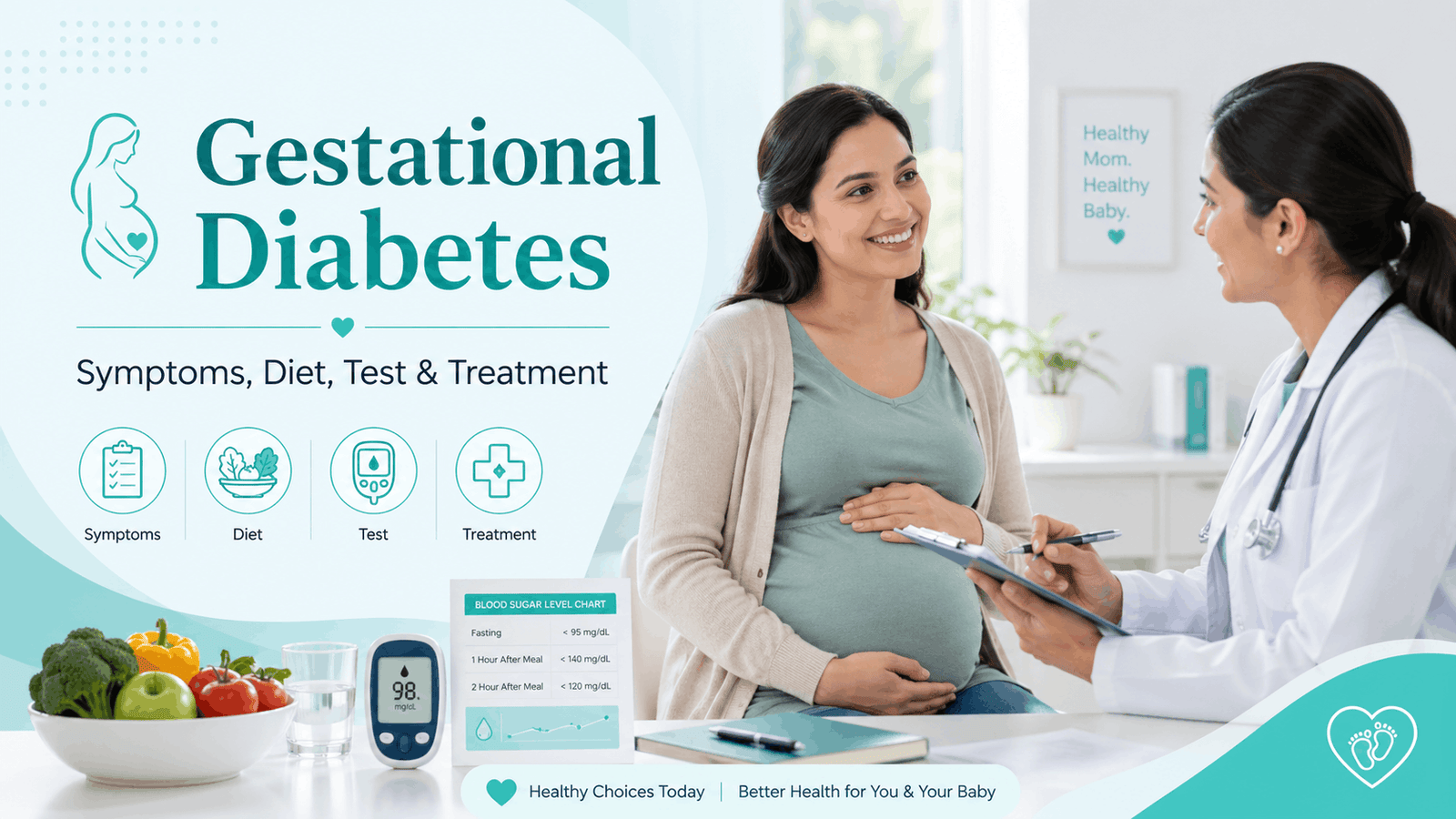
The recommended daily target blood glucose levels for most women with gestational diabetes are:
- 95 or less before meals, at bedtime, and overnight
- 140 or less 1 hour after eating
- 120 or less 2 hours after eating
Those are the numbers many clinics use as a starting point. They matter because gestational diabetes is not determined by a single lab result. It is managed by patterns.
Why your doctor may personalize the range
Even though those targets are common, NIDDK also says patients should ask what targets are right for them. Pregnancy is individual. A patient’s overall health, fetal growth, ketones, meal timing, and other pregnancy factors can shape the treatment plan.
This is also why self-monitoring matters. NIDDK says the care team may ask patients to use a blood glucose meter and record the results so the plan can be adjusted if needed.
Diet During Pregnancy
What to build meals around
A good pregnancy diabetes eating plan is not about starving, skipping meals, or being afraid of every carbohydrate. NIDDK says the health care team will help create a healthy eating plan with food choices that are good for both the patient and the baby, and that food choices, amounts, and timing all matter.
That usually means building meals around balanced portions, protein, higher-fiber carbohydrates, vegetables, and regular meal timing. The goal is steadier blood sugar, not perfect eating. For many patients, the plan works best when meals are predictable and snacks are intentional rather than random. That is often more realistic than trying to “eat perfectly” for months.
What foods to avoid or limit with gestational diabetes
Patients often ask what foods they should avoid once this diagnosis is made. The most useful answer is not a long punishment list. It is a pattern.
Large sugary drinks, oversized desserts, and big portions of refined carbohydrates are usually harder on blood sugar than balanced meals with protein and fiber. NIDDK emphasizes that the type of food, the amount, and when you eat all affect glucose control.
Patients also ask fruit questions, such as What fruits should diabetics avoid? There is no official blanket fruit ban in the gestational diabetes guidance reviewed here. A more practical approach is to keep fruit portions reasonable, favor whole fruit over juice, and pay attention to how your personal glucose readings respond. That is a patient-centered inference from the broader healthy-eating principles in NIDDK’s management guidance.
Treatment for Gestational Diabetes
Lifestyle treatment
For many patients, Treatment for this condition often starts with food changes and physical activity. NIDDK says many women with gestational diabetes can manage their blood glucose by following a healthy eating plan and being physically active. It also recommends aiming for 30 minutes of activity on 5 days of the week, with the exact type of activity discussed with the care team.
That is encouraging, because it means insulin is not automatically required. Still, lifestyle treatment only works when it is specific enough to follow. Patients usually do better when they are given real meal guidance, blood sugar targets, and a plan for what to do when numbers are off.
When insulin may be needed
If diet and physical activity are not enough to keep blood sugar in range, insulin may be needed. NIDDK says insulin is usually the first choice of diabetes medicine for this condition and notes that insulin will not harm the baby. It also says more long-term studies are needed on metformin and glyburide during pregnancy.
That matters because many patients worry that starting insulin means they have failed. It does not. It means the body needs more support than lifestyle changes alone can provide. In pregnancy, the right treatment is the one that keeps glucose controlled as safely as possible.
NIDDK also notes that ketones matter. If a patient is not eating enough or blood glucose is high, the body may make ketones. Large amounts of fat-burning instead of glucose use can be harmful to both the patient and the baby, and a doctor may recommend ketone testing or meal-plan changes if ketones are elevated.
Effects on Baby
The common baby risks
One of the most searched questions is about the effects of gestational diabetes on the baby. Patients deserve a direct answer.
CDC says high blood sugar in pregnancy increases the baby’s risk of being very large, which can raise the chance of a cesarean delivery. It also notes that the child is more likely to have obesity later and develop type 2 diabetes in the future. CDC’s maternal-infant health guidance adds that, among women with any type of diabetes, high blood sugar in pregnancy can raise the risk of complications such as preeclampsia.
CDC’s women’s diabetes page also notes that high blood sugar in pregnancy can contribute to problems such as being born too early, breathing problems, or low blood sugar right after birth.
Can you still have a healthy baby with gestational diabetes?
Yes. This is one of the most important reassuring truths in the whole topic. CDC says managing diabetes during pregnancy can help you have a healthy pregnancy and a healthy baby. ACOG also has patient education built around the message that you can have a healthy pregnancy with gestational diabetes when it is managed well.
That is the right balance to strike. The risks are real. So is the reason for hope. The diagnosis should lead to a plan, not despair.
After Pregnancy
Does gestational diabetes go away?
Usually, yes. CDC says gestational diabetes usually goes away after the baby is born. However, that is not the end of the story. A history of gestational diabetes raises the mother’s risk of type 2 diabetes later and raises the child’s future risk of obesity and type 2 diabetes.
Future diabetes risk and postpartum testing
This is where follow-up matters. ACOG says that if blood sugar is normal after delivery, patients should still be tested for diabetes every 1 to 3 years afterward. CDC and NIDDK also emphasize ongoing follow-up because gestational diabetes is a marker of future metabolic risk, not just a pregnancy-only event.
For a clinic website, this is a powerful place to support continuity of care. Patients often need help not just during pregnancy, but after it, when the urgent prenatal structure disappears and long-term risk quietly remains.
Final Thoughts
This diagnosis is serious, but it is manageable. It usually develops because pregnancy increases insulin resistance, and the body cannot make enough extra insulin to compensate. Most patients do not experience obvious symptoms. Testing usually happens between 24 and 28 weeks. Many patients can manage it with a healthy eating plan and physical activity, while some need insulin. The goal is simple: keep blood sugar in target to support the healthiest possible pregnancy for both mother and baby.
The best tone for this diagnosis is not shame and not false comfort. It is calm, structured, doctor-led support. Patients need real numbers, real meal guidance, real monitoring, and real follow-up. That is where good care makes a difference.
Get online Gestational diabetes Treatment?
If you have been told your glucose screening was high, if your gestational diabetes test is coming up, or if you already have gestational diabetes and need structured support, do not try to guess your way through it. At Mindshape.care, the strongest positioning is doctor-led, patient-centered pregnancy support. A strong CTA for this page is:
Book an appointment with a licensed doctor for guidance on gestational diabetes, glucose monitoring, dietary support, and a personalized treatment plan during pregnancy.
A caring note from MindShape Care
This article is for education only and is not a diagnosis. If your symptoms feel severe, urgent, or unsafe, please seek immediate emergency or crisis support.
This article was reviewed and written with insights from the Medical team at Medically reviewed by licensed clinicians at mindhsape.care. in the USA — experienced healthcare professionals specializing in anxiety, depression, chronic kidney disease, all types of diabetes, hair loss, hormonal health, hyperlipidemia, hypertension, low testosterone, nutrition management, obesity, obstructive sleep apnea, PCOS, and infertility, and patient wellness. Learn more about our board-certified doctors and treatment experts who contribute to our educational blogs and patient support programs.
Recent Blogs
Learn more about Virtual Healthcare and Treatments





Why You Can Rely on Us?
At Mindshape Clinic, we are committed to providing clear and trustworthy health information that you can rely on.
Reliable Information – Every article is based on credible sources.
Expert Review – Content is carefully checked before publishing.
Up to Date – We keep information current with the latest insights.
Clarity First – Our goal is to make knowledge simple and accessible.