Mixed hyperlipidemia
Read Time: 8min
Written By
Written By

Dr. Hassan Khan
Internist
Mixed hyperlipidemia – Causes, Symptoms, and Treatment
Table of Contents
FAQs
Most Common FAQs
Please feel free to Send A Message or call us if your related question is not included here. we are happy to serve you.
Often it has a strong genetic base, but lifestyle and other conditions still matter. You might inherit the tendency, then see Mixed hyperlipidemia appear when weight, diet, or other health factors change.
For most people, Mixed hyperlipidemia is a long-term condition. Levels can improve a lot, but the underlying tendency usually remains. That’s why ongoing lifestyle habits and follow-up are so important.
Many people do need long-term medication. However, doses and combinations can change as your numbers improve and your lifestyle shifts. This is another area where steady follow-up really helps.
Diet is powerful, especially when combined with activity and weight management. Even so, guidelines usually recommend medication for Mixed hyperlipidemia because cardiovascular risk is higher. Think of food and movement as partners to your prescriptions, not replacements.
Most adults with Mixed hyperlipidemia need at least yearly lipid panels. When treatment is new or changing, you may need tests every three to six months. Your clinician will set the right schedule for you.
Mixed hyperlipidemia sounds technical, but it describes a common problem: your cholesterol and your triglycerides are both too high. When that happens together, your risk for heart attack and stroke rises faster than with “regular” high cholesterol alone.
The good news? Mixed hyperlipidemia is manageable. With the right plan, you can bring your numbers down and protect your heart. In this guide, we’ll break things down in clear language and show how online care from a U.S.–based clinic like MindShape Care can support you.
What Is Mixed hyperlipidemia?
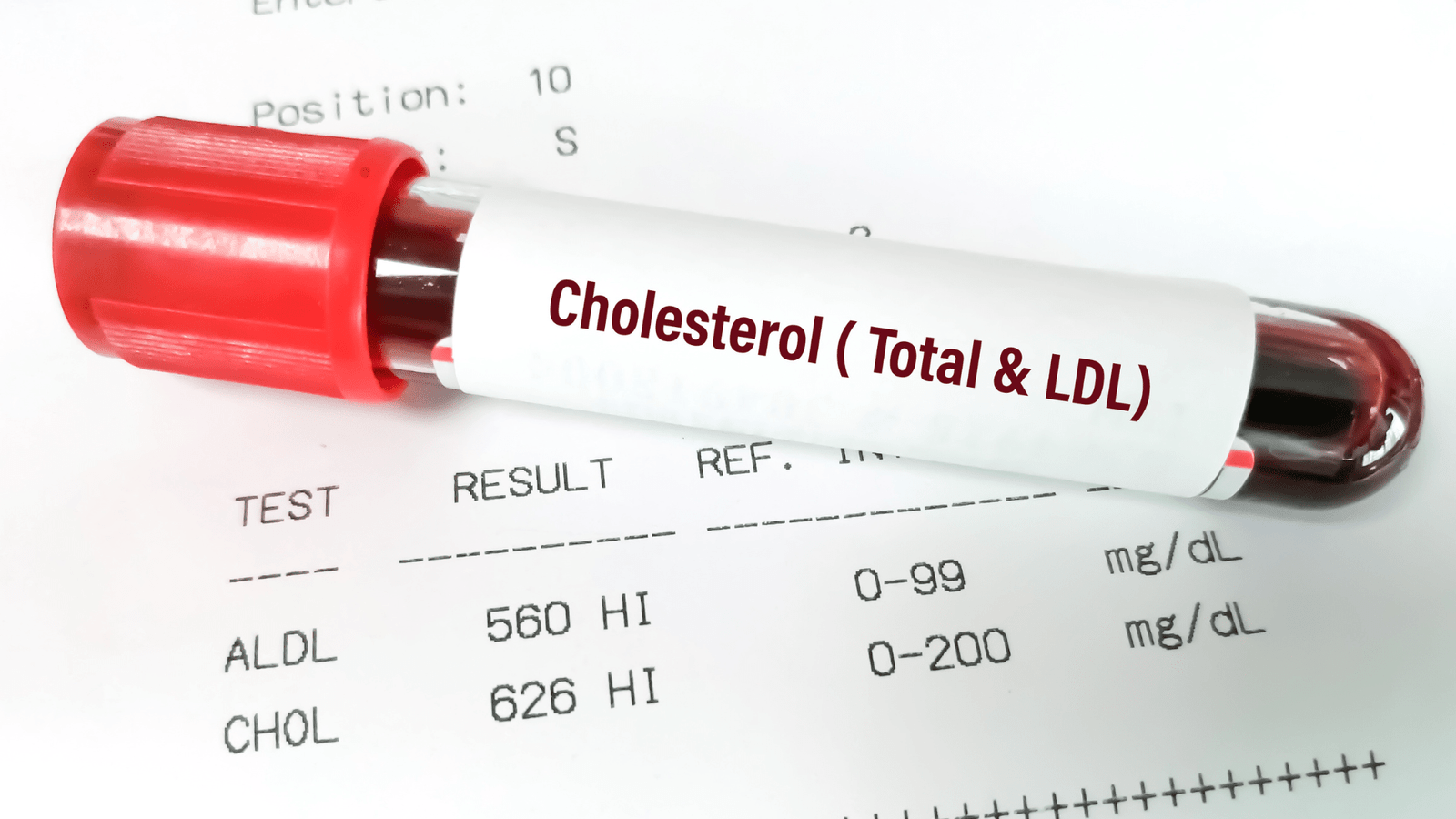
This type of lipid disorder where several blood fats are out of balance at the same time. On a typical lab report you’ll see:
- High LDL (“bad”) cholesterol
- High triglycerides
- HDL (“good”) cholesterol
Because more than one lipid is elevated, Mixed hyperlipidemia creates more “traffic” in your bloodstream. Fatty particles can sneak into artery walls, and over time they form plaque. That plaque can narrow or block blood vessels in the heart, brain, and legs.
You may also hear other names, such as combined hyperlipidemia or familial combined hyperlipidemia. The exact label matters less than knowing what’s going on and how to manage it.
How Mixed Hyperlipidemia Differs from Simple High Cholesterol
Many people are told they have high cholesterol and assume everyone with an abnormal lipid panel is in the same situation. It’s different in a few important ways.
Several Lipids Are High at Once
With basic high cholesterol, LDL might be up while triglycerides are normal. Mixed hyperlipidemia usually means both LDL and triglycerides are elevated together. HDL often sits on the low side. That mix is more dangerous for your arteries.
Heart Disease Risk Is Often Higher
Because multiple risk factors cluster together, it can lead to heart disease at a younger age. People may develop heart problems in their 40s or 50s instead of later in life. This makes early diagnosis and treatment even more important.
Treatment Plans Are More Complex
Lifestyle changes still matter, but they are rarely enough on their own. Most people with Mixed hyperlipidemia need a combination of nutrition changes, regular activity, and prescription medication to control both cholesterol and triglycerides.
Causes and Risk Factors
High cholesterol and triglycerides doesn’t usually come out of nowhere. Instead, genes, habits, and other health conditions all play a part.
Genetic Causes
In many families, high cholesterol and triglycerides is passed down. A condition called familial combined hyperlipidemia causes the liver to release extra particles that carry cholesterol and triglycerides. If a parent or sibling had early heart disease or long-standing cholesterol problems, your risk is higher as well.
Lifestyle Triggers
Even with strong genes, lifestyle choices still influence how Mixed hyperlipidemia shows up. Risk increases when you have:
- A diet rich in fried foods, processed meats, and sugary drinks
- Very little physical activity from week to week
- Smoking or vaping
- Frequent heavy drinking, which can spike triglycerides
Shifting these habits will not erase your genetics, but it can dramatically reduce overall risk.
Medical Conditions That Add to the Risk
Several conditions can worsen:
- Type 2 diabetes and insulin resistance
- Metabolic syndrome (large waist size, high blood pressure, high blood sugar)
- Underactive thyroid
- Kidney or liver disease
- Certain medicines, such as steroids or some diuretics
Because of this, a good doctor doesn’t just look at your lipid panel. They also check for underlying issues that might be pushing those numbers up.
Symptoms – What You May (or May Not) Feel
Here’s the tricky part: Mixed hyperlipidemia usually doesn’t cause symptoms you can feel every day. Most people notice nothing at all. They often find out only when a blood test comes back abnormal.
Over many years, however, uncontrolled Mixed hyperlipidemia can lead to:
Chest pressure or discomfort with activity
Shortness of breath or unusual fatigue
Leg pain when walking, which eases when you rest
Heart attack or stroke
Occasionally, people develop fatty bumps on the skin or tendons (xanthomas) or a pale ring around the colored part of the eye. Those are late signs and not common.
Because Mixed hyperlipidemia is so quiet, regular screening is essential, especially if heart disease runs in your family.
Why Mixed hyperlipidemia Matters for Your Heart
Mixed hyperlipidemia isn’t just a lab curiosity. It has real-world impact on your blood vessels.
When LDL and triglycerides are both high:
- More fatty particles circulate in your bloodstream.
- Those particles enter the lining of arteries more easily.
- Over time, they form plaque that can crack or rupture.
If that plaque breaks open, a clot can form and block blood flow. In the heart, this causes a heart attack. In the brain, it causes a stroke.
The upside is encouraging: lowering LDL and triglycerides lowers your risk. Even moderate improvements can make a meaningful difference, especially when you also manage blood pressure, blood sugar, and smoking.
How Mixed Hyperlipidemia Is Diagnosed
Diagnosing high cholesterol and triglycerides usually takes three steps: blood tests, history, and overall risk assessment.
Blood Tests
Your clinician orders a fasting or non-fasting lipid panel. This measures:
- Total cholesterol
- LDL cholesterol
- HDL cholesterol
- Triglycerides
In Mixed hyperlipidemia, LDL and triglycerides are both above the healthy range, while HDL may be low. Sometimes your provider also checks:
- Non-HDL cholesterol
- ApoB (a marker of the number of atherogenic particles)
- Blood sugar and A1c
- Thyroid, kidney, and liver function
These tests help confirm the diagnosis and rule out other causes.
Family and Personal History
Next, your clinician asks questions such as:
- Did any close relatives have a heart attack or stroke before age 55 or 65?
- Have family members been told they have high cholesterol and triglycerides?
- Have you ever had chest pain, claudication (leg pain with walking), or pancreatitis?
This information points toward inherited patterns and overall risk.
Risk Calculators of Mixed Hyperlipidemia
Finally, your provider may use a cardiovascular risk calculator. This tool combines your lipid values with age, blood pressure, diabetes, and smoking status. It estimates your chance of having a heart attack or stroke over the next 10 years and guides how aggressive treatment should be.
Mixed Hyperlipidemia Treatment – From Lifestyle to Medication
There’s no single magic pill for Mixed hyperlipidemia. Instead, treatment works best when you combine daily habits and medications in a way that fits your life.
Lifestyle Changes – Your Foundation
Lifestyle changes are the basis of every plan. They support your medications and improve many other parts of your health.
Key steps include:
- Update your plate.
- Aim for more vegetables, fruits, beans, and whole grains.
- Choose fish or skinless poultry more often than red or processed meat.
- Use olive or canola oil instead of butter or shortening.
- Tame sugar and refined carbs.
- Cut back on soda, energy drinks, and candy.
- Trade white bread and pastries for high-fiber options.
- Move your body.
- Try for at least 150 minutes of moderate movement each week.
- Break it into 20–30 minute walks, bike rides, or home workouts.
- Watch weight and waist size.
- Even a 5–10% weight loss can improve cholesterol, triglycerides, and blood pressure.
- Limit alcohol and stop smoking.
- Alcohol can sharply raise triglycerides; tobacco multiplies heart risk.
- These changes are easier said than done, but you don’t have to do everything at once. One realistic step at a time still moves you forward.
Medications
Because risk is higher, many people with Mixed hyperlipidemia also need medication. Your exact combination depends on your numbers and other health conditions.
Common medicines include:
- Statins – first-line drugs that lower LDL and cut heart attack and stroke risk.
- Triglyceride-lowering agents – such as fibrates or prescription omega-3s when triglycerides are very high.
- Add-on therapies – like ezetimibe or PCSK9 inhibitors when LDL remains above target despite statins.
Before you start anything new, your clinician should explain:
- Why the medicine is recommended
- How and when to take it
- What side effects to watch for
- When to repeat lab tests
The goal is not just “more medication.” Instead, the goal is the lowest risk with the simplest, safest plan that works for you.
Mixed hyperlipidemia and Telehealth – Why Online Care Helps
High cholesterol and triglycerides is a long-term condition. You need regular visits, lab checks, and adjustments. However, in-person appointments can be hard to fit into busy lives.
That’s where telehealth comes in. With an online clinic such as MindShape Care, you can:
- Review your Mixed hyperlipidemia labs from home
- Discuss side effects and dose changes without commuting
- Get tailored nutrition and activity coaching in short sessions
- Coordinate care with your local primary-care provider or cardiologist
You still go to a local lab for blood work, but your planning and follow-up happen through secure video visits. As a result, staying on track becomes easier.
Real-Life Example – Managing Hyperlipidemia
Consider Jordan, age 45. They work full-time, have two kids, and grab fast food a few times a week. A routine wellness screen shows:
- LDL: 180 mg/dL
- Triglycerides: 250 mg/dL
- HDL: 36 mg/dL
Their father had a heart attack at 54. After more testing, the clinician diagnoses Mixed hyperlipidemia. Together they decide to:
- Cook at home three nights per week and swap soda for sparkling water.
- Walk 20 minutes after dinner most days.
- Start a statin and, later, a triglyceride-lowering medication.
- Use telehealth visits every few months to check labs and adjust doses.
Within a year, Jordan’s LDL and triglycerides drop into safer ranges. Their calculated heart risk falls, energy improves, and the plan feels doable.
Simple Checklist for Living With Mixed hyperlipidemia
Use this checklist to stay organized and engaged in your own care:
- Keep copies of your lipid panels and bring them to every visit.
- Write down all medications, doses, and any side effects.
- Choose one or two lifestyle changes to focus on each month.
- Schedule regular follow-up visits so your plan doesn’t drift.
- Share your family history clearly with your clinician.
- Learn the emergency signs of heart attack and stroke and call 911 if they appear.
When to Talk to a Doctor About Mixed hyperlipidemia
You should reach out to a healthcare provider if:
- Your lab results show high LDL and high triglycerides.
- Several family members developed heart disease at relatively young ages.
- You have diabetes, high blood pressure, or obesity plus abnormal lipids.
- You’re already on cholesterol medication, but your numbers are still high.
For many people, a telehealth appointment is a comfortable first step. You can review your labs, ask questions about Mixed hyperlipidemia, and start building a plan without leaving home.
However, emergency symptoms are different. Sudden chest pain, severe shortness of breath, loss of vision, or weakness on one side of the body all require immediate emergency care, not an online visit.
How MindShape Care Supports You With Mixed Hyperlipidemia
Being told you have Mixed hyperlipidemia can feel overwhelming. There’s a lot to absorb, and it’s easy to put things off. MindShape Care is here to make the next step easier.
With our online High Cholesterol and Mixed hyperlipidemia services, you can:
- Meet with licensed U.S. clinicians by secure video
- Get clear explanations of your lab results and risk
- Receive a step-by-step plan that blends lifestyle and medication
- Adjust doses and review new labs without long drives
- Coordinate care with your local doctor when needed
You don’t have to manage Mixed hyperlipidemia alone. We can walk beside you, one visit at a time.
Final Thoughts
Missing school is sometimes unavoidable—but handling it responsibly doesn’t have to be hard. With the right documentation, you can protect your academic standing and focus on what matters: feeling better.
This article was reviewed and written with insights from the medical team at MindShape Clinic USA — experienced healthcare professionals specializing in diabetes treatment, mental health, and patient wellness, and much more. Learn more about our board-certified doctors and treatment experts who contribute to our educational blogs and patient support programs.
Recent Blogs
Learn more about Virtual Healthcare and Treatments






Why You Can Rely on Us?
At Mindshape Clinic, we are committed to providing clear and trustworthy health information that you can rely on.
Reliable Information – Every article is based on credible sources.
Expert Review – Content is carefully checked before publishing.
Up to Date – We keep information current with the latest insights.
Clarity First – Our goal is to make knowledge simple and accessible.