Trauma Disorder
Read Time: 9min
Written By

Dr. Hassan Khan
Internist
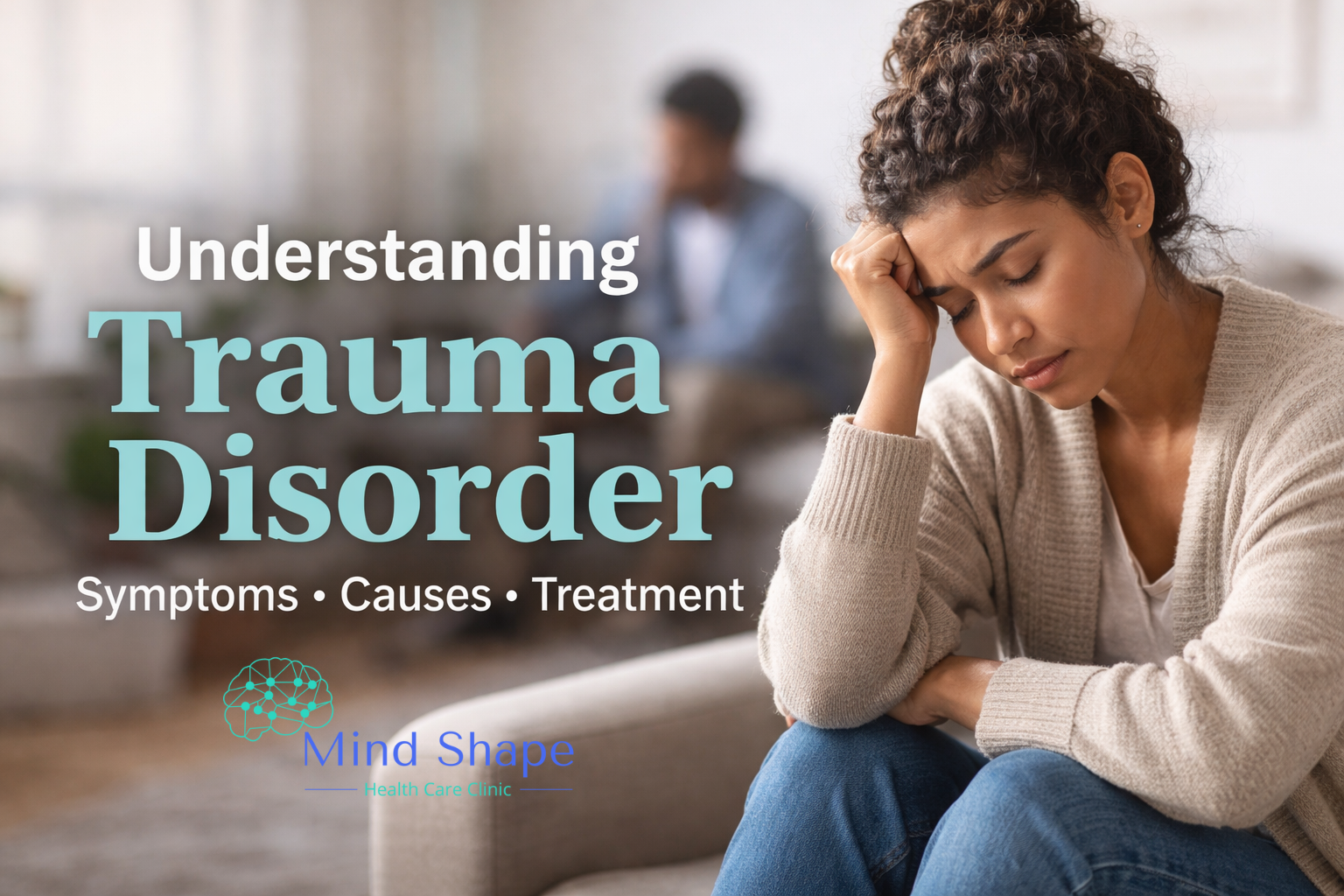
Trauma Disorder: Symptoms, Causes, Treatment, and Hope for Recovery
Trauma can change how you think, feel, sleep, and respond to daily life. As a result, many people feel confused by their symptoms and wonder what is happening to them.
Table of Contents
FAQs
Trauma Disorder FAQs
Please feel free to Send a Message or call us if your related question is not included here. we are happy to serve you.
A trauma disorder is a mental health condition that can develop after a person experiences or witnesses a traumatic event. Trauma can affect emotions, memory, sleep, stress responses, and a person’s sense of safety. In everyday language, many people use “trauma disorder” to describe PTSD, but trauma-related symptoms can also appear in other conditions. NIMH describes PTSD as a mental health condition that may develop after traumatic events.
Not always. People often use the term trauma disorder as a broad phrase, while PTSD is a specific diagnosis with defined clinical criteria. In other words, someone may say “trauma disorder” when they mean PTSD, trauma-related symptoms, or another trauma- and stressor-related condition. The VA and APA describe PTSD as a specific psychiatric condition related to trauma exposure.
Symptoms of a trauma disorder can include intrusive memories, nightmares, flashbacks, avoidance, anxiety, feeling on edge, sleep problems, emotional numbness, and negative mood changes. However, symptoms can vary from person to person. If symptoms last and begin to affect work, relationships, or daily life, it is a good idea to seek professional support. NIMH and Mayo Clinic list these as common PTSD-related symptoms after trauma.
A trauma disorder can develop after a traumatic or overwhelming event, such as abuse, assault, combat, serious accidents, disasters, medical trauma, or witnessing violence. Still, not everyone who experiences trauma develops a trauma-related disorder. Risk can be influenced by factors like prior trauma, stress level, and support systems. APA and NIMH both note that trauma exposure can affect people differently.
The most commonly recognized trauma-related disorder is Post-Traumatic Stress Disorder (PTSD). It is the trauma condition most people know by name and the one most often discussed in mental health education and treatment. NIMH specifically describes PTSD as a condition that can develop after trauma, although not everyone exposed to trauma develops it.
When people ask this, they usually mean the most commonly discussed trauma- and stressor-related disorders. A practical way to explain this is:
- Post-Traumatic Stress Disorder (PTSD)
- Acute Stress Disorder (ASD)
- Adjustment Disorders
These conditions are grouped in the DSM-5 trauma- and stressor-related category, although PTSD and ASD are more directly tied to trauma exposure. VA and other clinical references commonly discuss PTSD and ASD together, and DSM-based references place adjustment disorders in the same category.
“Unspecified trauma disorder” usually refers to Unspecified Trauma- and Stressor-Related Disorder. A clinician may use this diagnosis when trauma-related symptoms are present and causing distress, but the full criteria for a specific diagnosis (like PTSD or ASD) are not clearly met or not fully documented yet. In simple terms, the symptoms are real and important, but the final diagnostic picture may still need clarification. DSM-based references describe “unspecified” categories this way.
Trauma is most directly associated with PTSD, but it can also contribute to or worsen other mental health problems. For example, some people may develop anxiety, depression, panic symptoms, sleep problems, or substance use problems after trauma. NIMH notes that people with PTSD may also experience depression, panic disorder, or substance use issues.
Many people use the term complex trauma disorder to describe the effects of repeated, long-term, or ongoing trauma, especially when it affects emotions, relationships, self-esteem, and daily functioning. In clinical conversations, people may also refer to this as complex PTSD (C-PTSD), although terminology can vary depending on the diagnostic system being used. If this sounds familiar, a trauma-informed mental health professional can help clarify symptoms and treatment options.
Trauma disorder treatment often includes therapy, medication, or a combination of both. Psychotherapy is a main treatment for PTSD, and medication may also be used for some people depending on symptoms. Mayo Clinic and NIMH both describe therapy as a key part of PTSD treatment, with medication as another option in some cases.
Some trauma symptoms improve with time, especially with strong support and a safe environment. However, persistent symptoms often need professional care. If symptoms affect daily life, it is a good idea to seek help.
Yes. Children and teens can develop trauma-related symptoms after frightening or overwhelming events. Symptoms may look different by age, so a child-focused mental health evaluation is important.
If you have been searching for answers about trauma disorder, you are not alone. More importantly, you are not broken.
This guide explains what trauma disorder can look like, what may trigger it, and how treatment can help. In addition, we’ll cover when to seek support and what recovery may look like over time.
What Is a Trauma Disorder?
A trauma disorder is a mental health condition that can develop after a person experiences or witnesses a traumatic event. Trauma can affect the nervous system, emotions, memory, sleep, and sense of safety.
In many cases, people use the phrase trauma disorder to describe post-traumatic stress disorder (PTSD). PTSD is a recognized mental health condition linked to trauma exposure. Symptoms may include intrusive memories, avoidance, changes in mood or thinking, and increased arousal (such as feeling constantly on guard).
However, trauma can affect people in different ways. For example, some people may have trauma-related symptoms without meeting full PTSD criteria. Others may struggle with anxiety, sleep problems, or emotional numbness after trauma.
What Causes a Trauma Disorder?
A trauma disorder can develop after a deeply distressing or overwhelming event. For example, this may include:
- Physical assault
- Sexual violence
- Childhood abuse or neglect
- Military combat
- Serious accidents
- Natural disasters
- Medical trauma
- Sudden loss of a loved one
- Witnessing violence or injury
Not everyone who experiences trauma develops a trauma disorder. Still, trauma affects each person differently. Factors such as past trauma, stress levels, support systems, and overall mental health can shape how someone responds.
Trauma Disorder Symptoms to Watch For
Symptoms of a trauma disorder can affect the mind, body, and daily routines. At first, the signs may be easy to miss. Over time, they can become more disruptive.
Trauma Disorder Symptoms to Watch For
Symptoms of a trauma disorder can affect the mind, body, and daily routines. At first, the signs may be easy to miss. Over time, they can become more disruptive.
Emotional and Mental Symptoms
You may notice:
- Fear, panic, or ongoing anxiety
- Irritability or anger
- Emotional numbness
- Guilt or shame
- Feeling detached from others
- Trouble concentrating
- Negative thoughts about yourself or the world
Trauma Memory Symptoms
Some people experience:
- Intrusive memories
- Flashbacks
- Nightmares
- Distress when something reminds them of the trauma
These are common PTSD-related symptoms described by major mental health organizations.
Avoidance Symptoms
Avoidance can be a major sign of trauma disorder. For example, a person may avoid:
- Places linked to the trauma
- Certain people or conversations
- Thoughts or feelings about what happened
- Activities that trigger memories
Physical and Nervous System Symptoms
Trauma can also show up in the body. You may feel:
- On edge or “unsafe.”
- Easily startled
- Tense muscles
- Trouble sleeping
- Racing heart
- Fatigue
- Restlessness
In severe cases, trauma symptoms can interfere with work, relationships, and daily functioning.
When Anxiety Becomes an Anxiety Disorder
If anxiety lasts 6+ months and disrupts life, it may be:
- Generalized Anxiety Disorder (GAD)
- Social Anxiety Disorder
- Panic Disorder
- Health Anxiety
Because early support can improve outcomes, it helps to understand your symptoms and seek care sooner. You can also read our guide on how to deal with anxiety
for practical coping steps.
Is Traumatic Stress Disorder the Same as PTSD?
Not always — but people often use the terms interchangeably.
PTSD is a specific diagnosis. It has defined symptom patterns and clinical criteria. In contrast, “trauma disorder” is often used as a broader phrase in everyday language.
So, if someone says they have a trauma disorder, they may mean:
- PTSD
- Trauma-related symptoms without a diagnosis yet
- Another trauma-related mental health condition
If symptoms are affecting your daily life, a licensed mental health professional can help clarify what is happening and what kind of support is appropriate.
When Should You Seek Help for Trauma Disorder?
It is a good idea to seek help if trauma symptoms:
- Last more than a few weeks
- Feel intense or hard to manage
- Affect your sleep, work, or relationships
- Cause panic, avoidance, or emotional numbness
- Make daily tasks feel overwhelming
- Lead to hopelessness or unsafe thoughts
You do not need to “wait until it gets worse.” Instead, early support can help you understand your symptoms and begin recovery.
How Is Trauma Disorder Diagnosed?
A trauma disorder is diagnosed through a clinical evaluation, not a blood test or brain scan. During the visit, a mental health professional will ask about:
- Your symptoms
- Your trauma history (at a pace that feels safe)
- How long have symptoms lasted
- How symptoms affect your daily life
- Sleep, mood, and anxiety patterns
Because trauma symptoms can overlap with anxiety, depression, sleep disorders, and ADHD, a careful assessment is important. That way, treatment can be tailored to your actual needs.
Trauma Disorder Treatment Options
The good news is that trauma disorder is treatable. Major health organizations note that PTSD treatment often includes psychotherapy, medication, or a combination of both.
Therapy for Trauma Disorder
Therapy is often a core part of treatment. Depending on your needs, treatment may include trauma-informed approaches such as:
- Cognitive Behavioral Therapy (CBT)
- Trauma-focused therapy
- Exposure-based approaches (when appropriate)
- Skills for grounding and emotional regulation
The right pace matters. Therefore, good trauma care should feel safe, structured, and collaborative.
Medication Management
Medication may help some people with trauma disorder, especially when symptoms include severe anxiety, depression, sleep disruption, or panic.
Not everyone needs medication. However, for some people, medication can reduce symptom intensity and make therapy easier to engage in. A licensed provider can discuss risks, benefits, and options based on your symptoms and history.
Lifestyle Support That Can Help (Alongside Treatment)
Lifestyle changes do not replace treatment. Still, they can support recovery. Helpful habits may include:
- Sleep routines
- Gentle movement
- Regular meals
- Reduced alcohol or substance use
- Grounding exercises
- Breathing practices
- Supportive social connection
What Recovery From Trauma Disorder Can Look Like
Recovery does not always happen in a straight line. Some days may feel easier. Other days may feel heavy again.
That does not mean treatment is failing.
In many cases, recovery looks like:
- Better sleep
- Fewer triggers
- Less panic
- More emotional stability
- Improved relationships
- Stronger coping skills
- A greater sense of safety and control
With support, many people learn to manage trauma symptoms and rebuild a meaningful life. Treatment can help people regain a sense of control, which is a common goal in PTSD care.
Trauma Disorder in Daily Life: Small Steps That Can Help Today
If you are struggling right now, start small. You do not need to fix everything at once.
Try a Grounding Practice
Grounding can help when your mind feels stuck in fear or overwhelm. For example, you can:
- Name 5 things you see
- Name 4 things you feel
- Take a slow breath out
- Put both feet on the floor
Build a Simple Routine
Trauma can make life feel unpredictable. So, a simple routine can help your nervous system feel safer. Start with:
- Wake time
- Meals
- Hydration
- Bedtime
Reduce Overload
If you feel overstimulated, try reducing:
- News exposure
- Social media scrolling
- Loud environments
- Caffeine (if it increases anxiety)
These steps are not a cure. But they can help lower stress while you seek support.
How to Support Someone With a Traumatic Disorder
If someone you care about is living with a trauma disorder, your support can matter a lot.
Here are a few ways to help:
- Listen without forcing details
- Avoid judgment or “just move on” language
- Respect boundaries
- Ask what feels helpful
- Encourage professional support
- Be patient with healing progress
Above all, remember this: healing often takes time. Meanwhile, steady support can help a person feel less alone.
When Trauma Disorder Is an Emergency
A trauma disorder can feel intense. However, some situations need urgent help right away.
Seek emergency help if someone is:
- In immediate danger
- Having thoughts of self-harm or suicide
- Unable to stay safe
- Experiencing a medical emergency
If you are in the U.S.:
- Call 911 for immediate emergency help
- Call or text 988 for urgent emotional support and crisis help
This article was reviewed and written with insights from the medical team at MindShape Clinic in the USA — experienced healthcare professionals specializing in cancer treatment, mental health, and patient wellness. Learn more about our board-certified doctors and treatment experts who contribute to our educational blogs and patient support programs.
Recent Blogs
Learn more about Virtual Healthcare and Treatments
Why You Can Rely on Us?
At Mindshape Clinic, we are committed to providing clear and trustworthy health information that you can rely on.
Reliable Information – Every article is based on credible sources.
Expert Review – Content is carefully checked before publishing.
Up to Date – We keep information current with the latest insights.
Clarity First – Our goal is to make knowledge simple and accessible.